Recursos
Fluxos de trabalho
Soluções
Recursos
Recursos
Recursos
Fluxos de trabalho
Weekly experiments, ages 6-10

Make Kids Science Experiment Videos With the Same Cartoon Team

Science experiment videos for kids show one idea through a simple hands-on test, step by step. In Atlabs, paste the lesson script, save the team once and render 16:9 3D Cartoon episodes.

4,8/5 no G2

4,9/5 no Capterra

Three ways to start an episode

Start from a science idea, a lesson plan or a script

Bring one science question or a finished episode script. The team looks the same every single week.

Rough Idea

One science question idea

Ask the question your class or channel wants answered, such as why a boat floats. The story writer builds the experiment, the team's roles and an ending that sums it up.

The team tests why a foil boat floats but a pebble sinks, then builds a boat that carries ten pebbles.

Mais popular

Your lesson plan and team roles

Describe each team member and the robot guide, then list the concept, the experiment, the steps and the target length. Atlabs builds the scenes in that order with the same team.

Concept: floating. Team: inventor girl, boy with a notebook, robot guide. Experiment: foil boats and pebbles. Length: 4 minutes.

Full Script

Your full episode script

Paste the script with scene headings, dialogue and production notes. Atlabs follows it line by line and lip syncs every team member, so the kids explain the experiment in their own words.

INT. SCIENCE SHED - DAY. The girl lowers the foil boat into the tub. GIRL: Watch, it floats.

Young inventor tests a foil boat at her bench

Como funciona

From a lesson script to a science experiment video

Cole sua ideia, história ou roteiro

Write the team once: each child's age, hair and outfit, plus the robot guide who explains the science in simple words.

PASSO 1

Escolha um estilo e uma proporção

Plan one concept and one hands-on experiment per episode, then write the script with scene headings, dialogue and a target length.

PASSO 2

Fixe personagens, mundos e objetos

In Animated Video, choose 3D Cartoon and 16:9, save every team member as a character and turn on lip sync for the dialogue.

PASSO 3

Gere, refine e publique

Preview the opening with Video Teaser, render the Full Video, then check the final length against your target.

PASSO 4

Mais de 50.000 criadores e contadores de histórias · Sem necessidade de cartão de crédito

Same team, every single week

The same science team in every weekly episode

A weekly series only works when children recognise the team straight away. Save each kid and the robot guide once and Atlabs keeps their goggles, overalls and colours the same in every scene, from the floating lesson to the magnets lesson.

Consistência de personagem

Create a character once and Atlabs keeps their look and voice identical in every scene and every episode, so your audience always knows who they are watching without a second glance.

Young inventor girl with yellow goggles
Cena 2
Girl testing a foil boat at her workbench
Cena 7
Girl smiling at a boat floating in a puddle
Cena 20
Backyard science shed with a long workbench
Close
Sink corner of the science shed at evening
Aberto
Science shed in spring rain from the garden
View 3

Consistência de cenário

Every place keeps the same layout, colours and lighting each time you return to it, so your story plays out in one believable world and viewers always feel at home in it.

Consistência de objetos e adereços

Key objects keep the same shape, colour and details in every scene they appear in, so small story elements stay easy to spot and easy to follow from start to finish.

Red foil boat with a paper-straw mast
Shot 1
Hands lowering the foil boat into water
Shot 2
Foil boat floating in a garden puddle
Shot 3
Casos de uso

Teach every kind of science experiment, from one test to a weekly series

Séries animadas

Run a weekly STEM series with the same three kids, the same robot guide and the same science shed, with a new concept and experiment in every episode.

Histórias animadas

Tell one complete episode where the team hits a problem, tests two ideas and fixes it by working together.

Vídeos explicativos e edutainment

Explain a single concept, such as floating, magnets or light, with a short experiment children can repeat at home.

Estilos visuais

Choose 3D Cartoon for bright, hands-on lessons

The 3D Cartoon look gives the team rounded faces, clear expressions and warm lighting, and keeps tools, water and experiment parts easy to see in widescreen, so children follow every step.

Start anywhere

Any

format

Idea, story, or full script

Style range

70+

Visual styles to choose from

Consistency

100%

Scene-to-scene character consistency

Global reach

40+

Languages and narration options

Start anywhere

Any

format

Idea, story, or full script

Style range

70+

Visual styles to choose from

Consistency

100%

Scene-to-scene character consistency

Global reach

40+

Languages and narration options

Start anywhere

Any

format

Idea, story, or full script

Style range

70+

Visual styles to choose from

Consistency

100%

Scene-to-scene character consistency

Global reach

40+

Languages and narration options

Recursos

Everything a weekly science experiment video needs, built in

AI that reads your story like a director

Atlabs reads your script and works out the shots each scene needs, from the wide view of the science shed to the close look at the foil boat on the water and the reaction after it, so you can skip the storyboard stage altogether.

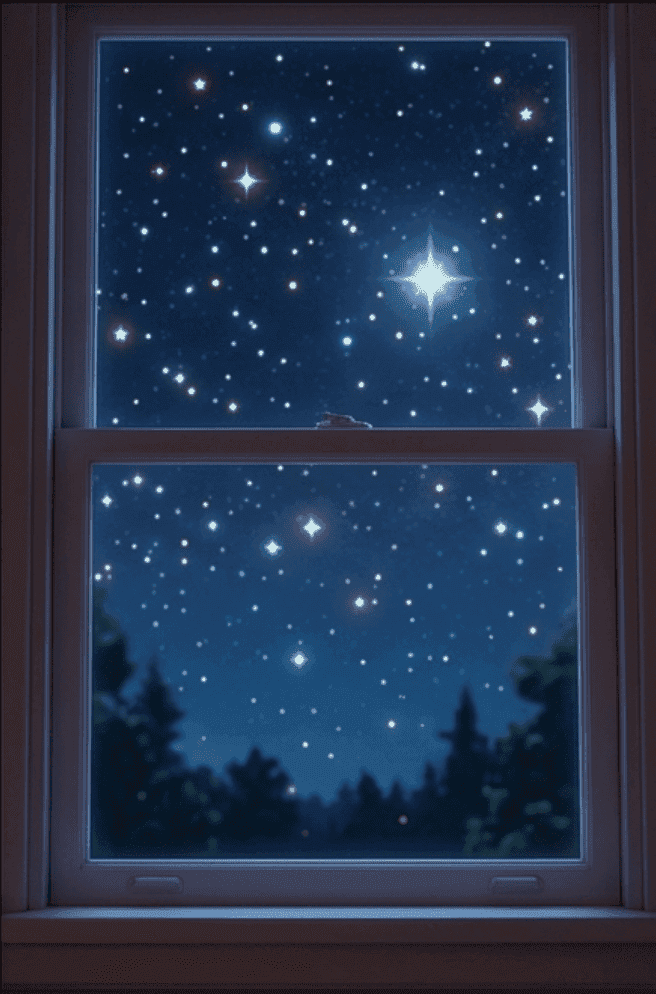
CENA — QUARTO, NOITE. Lily não consegue dormir. As estrelas brilham do lado de fora da janela. Ela ouve uma voz suave e amiga chamar o seu nome…

CENA — QUARTO, NOITE. Lily não consegue dormir. As estrelas brilham do lado de fora da janela. Ela ouve uma voz suave e amiga chamar o seu nome…

THE DIRECTOR’S READ

Wide establishing shot

Warm, cozy lighting

Slow push-in on Lily

Mood: gentle wonder

GENERATED SEQUENCE

Leitor de roteiros com IA do Atlabs — plano geral de estabelecimento gerado a partir do roteiro

01 · Establishing

Roteiro para vídeo com IA — plano de aproximação da personagem Mara gerado a partir da descrição da cena

02 · Lily, push-in

Gerador de vídeos com IA do Atlabs — cena cinematográfica de cidade gerada a partir de roteiro escrito

03 · Stars outside

Built-in AI story writer

Give it a topic and an audience and the built-in story writer drafts the whole thing, choosing which beats belong and where each one falls, so you begin from a draft you can edit.

Translate your video to 40+ languages

Send the same episode out in more than 40 languages, so one STEM series built once can reach classrooms and families at home who speak and learn in other languages.

Background music that matches the mood

Background music builds a little while the team waits to see if the boat floats, then settles under the explanation so every science word stays clear to young viewers.

Auto lip-sync

Every mouth matches every word, so each team member explains their part of the experiment in their own voice and children always know who is talking.

Ultra-realistic narration

A natural narrator reads your lines at a pace this audience follows, giving each point its own beat instead of running them together, in a voice that stays the same all series.

Full scene-level editing control

Go back into the one scene that missed, swap out a line, a look or a background, and leave every other scene of the finished video exactly as it was when you rendered it.

Built-in AI story writer

Give it a topic and an audience and the built-in story writer drafts the whole thing, choosing which beats belong and where each one falls, so you begin from a draft you can edit.

Auto lip-sync

Every mouth matches every word, so each team member explains their part of the experiment in their own voice and children always know who is talking.

Translate your video to 40+ languages

Send the same episode out in more than 40 languages, so one STEM series built once can reach classrooms and families at home who speak and learn in other languages.

Ultra-realistic narration

A natural narrator reads your lines at a pace this audience follows, giving each point its own beat instead of running them together, in a voice that stays the same all series.

Background music that matches the mood

Background music builds a little while the team waits to see if the boat floats, then settles under the explanation so every science word stays clear to young viewers.

Full scene-level editing control

Go back into the one scene that missed, swap out a line, a look or a background, and leave every other scene of the finished video exactly as it was when you rendered it.

Feito para

Who makes kids science experiment videos?

Primary Teachers

Open each new science unit with an episode where the team runs the experiment first, then repeat it with your own class that same week.

Homeschooling Parents

Build a weekly science lesson at home around one episode and one experiment from the kitchen cupboard.

Kids Education Channels

Publish a weekly STEM episode with a cast of kids viewers recognise, and one concept and one experiment in each episode.

After-School Programs

Give each week a theme, such as floating or magnets, and start every session with the same team explaining it.

STEM Club Leaders

Show the club a short episode of the team testing an idea, then hand out the same materials so members can try the same experiment themselves.

Museum Educators

Make a short episode that prepares young visitors for a hands-on exhibit before they arrive at the gallery with their class.

Primary Teachers

Open each new science unit with an episode where the team runs the experiment first, then repeat it with your own class that same week.

STEM Club Leaders

Show the club a short episode of the team testing an idea, then hand out the same materials so members can try the same experiment themselves.

After-School Programs

Give each week a theme, such as floating or magnets, and start every session with the same team explaining it.

Kids Education Channels

Publish a weekly STEM episode with a cast of kids viewers recognise, and one concept and one experiment in each episode.

Homeschooling Parents

Build a weekly science lesson at home around one episode and one experiment from the kitchen cupboard.

Museum Educators

Make a short episode that prepares young visitors for a hands-on exhibit before they arrive at the gallery with their class.

Primary Teachers

Open each new science unit with an episode where the team runs the experiment first, then repeat it with your own class that same week.

Kids Education Channels

Publish a weekly STEM episode with a cast of kids viewers recognise, and one concept and one experiment in each episode.

STEM Club Leaders

Show the club a short episode of the team testing an idea, then hand out the same materials so members can try the same experiment themselves.

Homeschooling Parents

Build a weekly science lesson at home around one episode and one experiment from the kitchen cupboard.

After-School Programs

Give each week a theme, such as floating or magnets, and start every session with the same team explaining it.

Museum Educators

Make a short episode that prepares young visitors for a hands-on exhibit before they arrive at the gallery with their class.

TUTORIALS

Learn to build a science experiment video

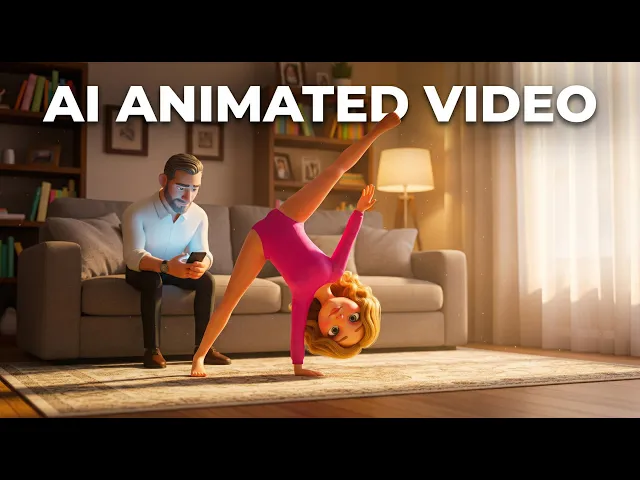
Watch how a written lesson script becomes a 3D cartoon science episode, with a saved team and lip sync.
Why Atlabs

Atlabs vs. every other way to make animated content

What you need
Atlabs AI
Traditional production
Other AI video tools

Time from story to video

Minutes

Weeks to months

Hours but inconsistent

Cost

From $19

$10,000 to millions

Varies

Filming required

No ✓

Full production crew

No ✓

Character consistency

Locked across all scenes ✓

Controlled by continuity team

Rarely supported ✗

Location consistency

Locked across all scenes ✓

Real locations or sets

Not available ✗

Object consistency

Locked across all scenes ✓

Props managed on set

Not available ✗

Script format support

Idea, story, or script ✓

Full script required

Basic prompt only

Scene-level editing

Full control ✓

Expensive reshoots

Limited

What Creators Say

What teachers say about their weekly science experiment videos

I paste a script with one concept and one experiment, and the team explains it in their own voices. My class now waits for the robot guide to start each science lesson.

Primary School Teacher, Manchester, United Kingdom

Three kids and a robot guide, saved once, and they looked the same from the floating episode to the magnets episode. That is what makes it feel like a real weekly series for our channel.

Education Channel Creator, Denver, USA

I preview the opening with Video Teaser, then render the Full Video and check the length against my plan. The team explains the experiment and we repeat it at the kitchen table.

Homeschooling Parent, Wellington, New Zealand

FAQ

Questions about kids science experiment videos

How do I make science experiment videos for kids?

Write a lesson script with one concept and one experiment, then open Animated Video in Atlabs, choose 3D Cartoon and 16:9, save the team as characters and render each weekly science experiment video.

Will the team look the same every week?

Yes. Save each kid and the guide once as characters with their colours and outfits, and Atlabs keeps the same look in every scene and every weekly episode.

Can the characters explain the experiment themselves?

Yes. Turn on lip sync and each team member speaks their own lines with matching mouth shapes, so the kids explain each step instead of a voice off screen.

How long should one science experiment video be?

Three to five minutes suits most weekly episodes, with time for the question, the experiment, the result and a short recap. Check the length after rendering and trim if needed.

Can I preview an episode before rendering?

Yes. Choose Video Teaser to animate the opening scenes into a short preview, check the team and the shed, then render the Full Video for the whole lesson.

What should one science experiment video teach?

One concept and one simple experiment per video works best, such as why a boat floats, with the team testing an idea, seeing the result and saying what it means.

Start a weekly science experiment video series

Save the team once, paste a lesson script and render a widescreen 3D cartoon episode where the same kids explain a new experiment every week.