Aqui estão alguns casos de uso malucos do Nano Banana Pro:
A highly detailed, photorealistic [CAMERA ANGLE, e.g., wide-angle shot, aerial shot looking down, extreme low-angle looking up] showing a colossal [DESCRIBE THE PERSON & CLOTHING] positioned in [SPECIFIC LOCATION/CITY/LANDSCAPE]. The giant is [ACTION - INTERACTING WITH THE ENVIRONMENT, e.g., sitting on a building, stepping over a bridge]. To establish the immense scale, tiny [TINY ELEMENTS: PEOPLE, CARS, OR BOATS] are visible near their [FEET/HANDS]. The lighting is [TIME OF DAY, e.g., golden hour, midday sun].
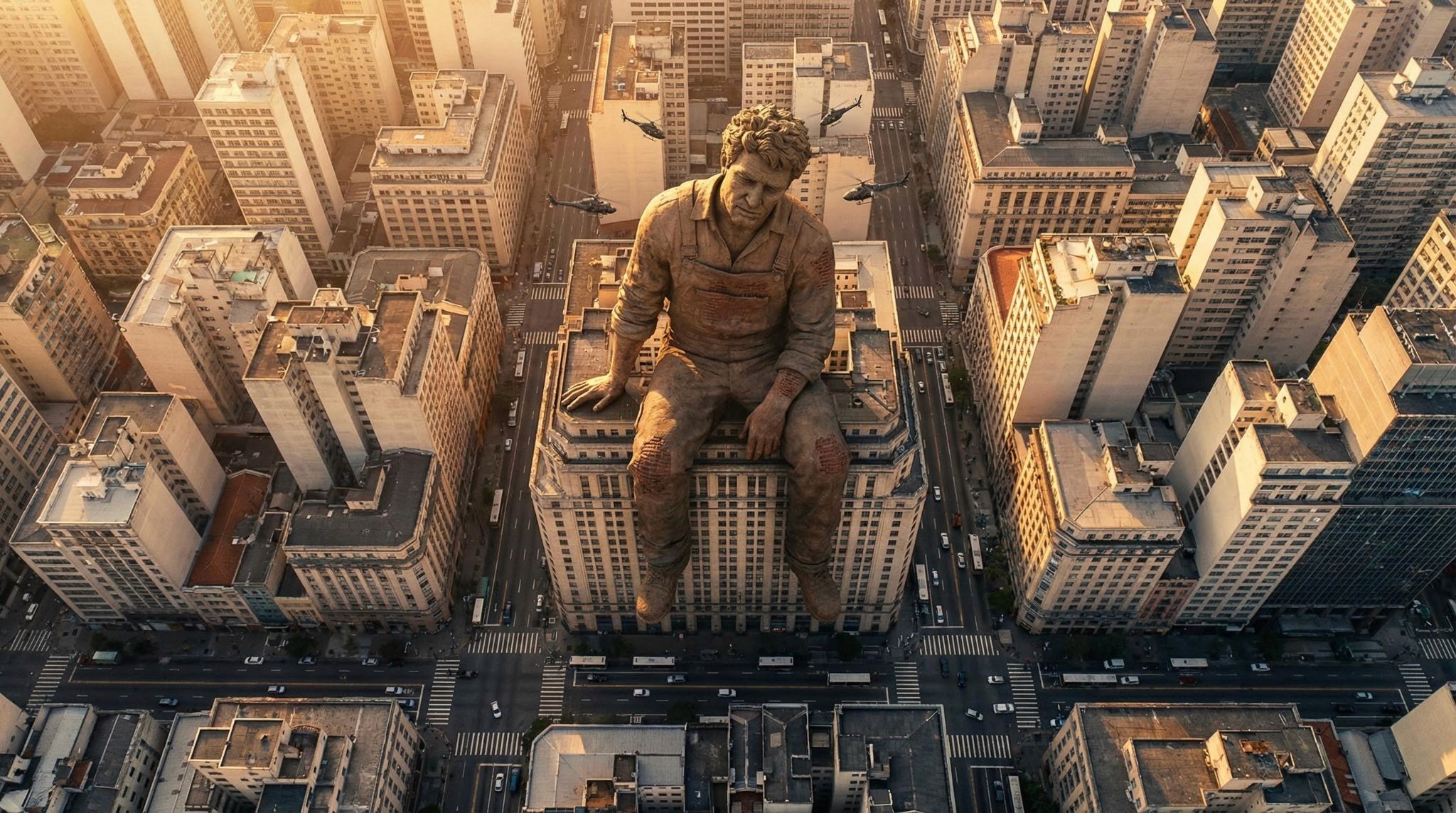
Créditos - https://x.com/MrDavids1/status/1997581641892446293
Overlay this with insane roast scribble, red ink, doodles, remarks, and comments.
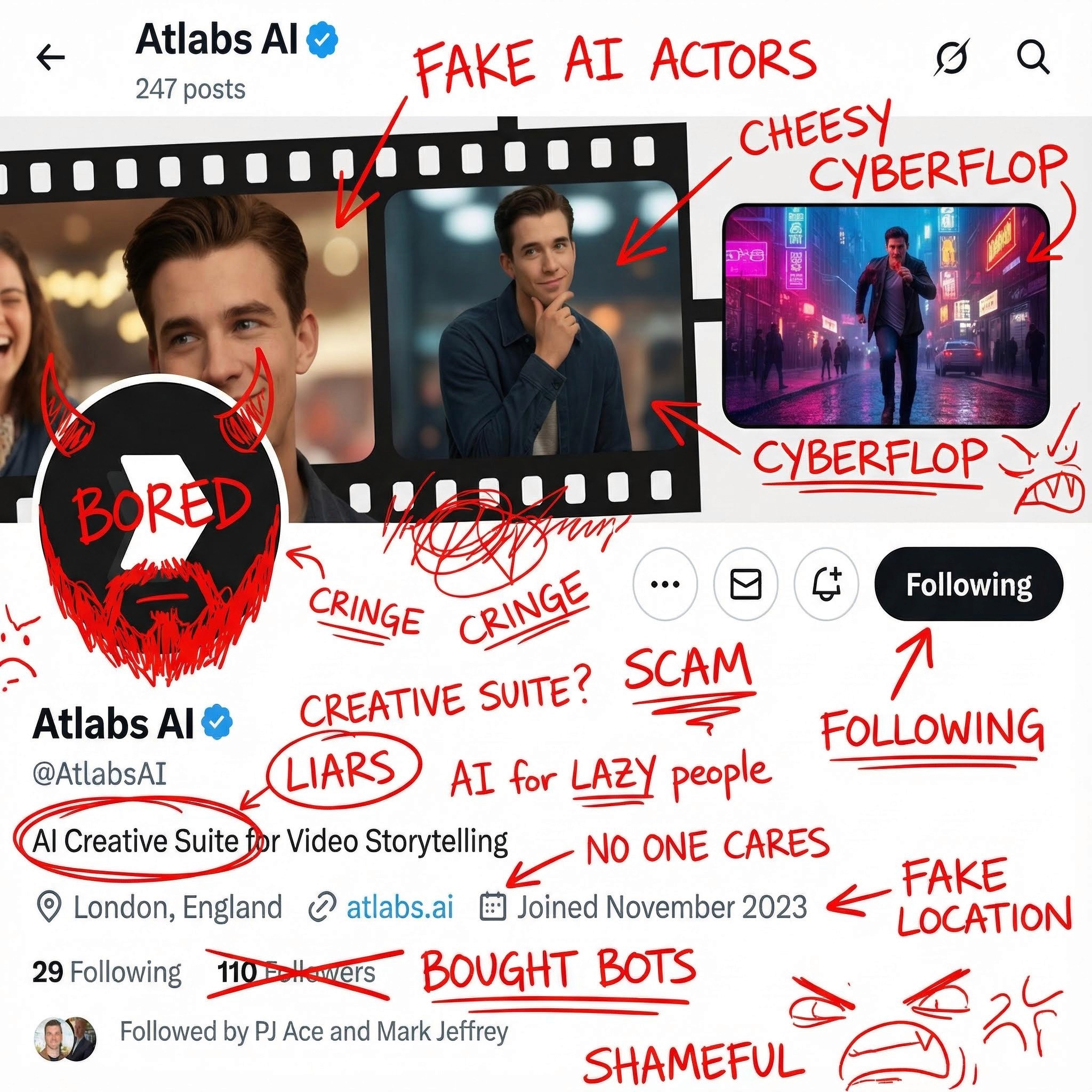
Créditos - https://x.com/devloperhs/status/1998016023988216116
Experimente aqui
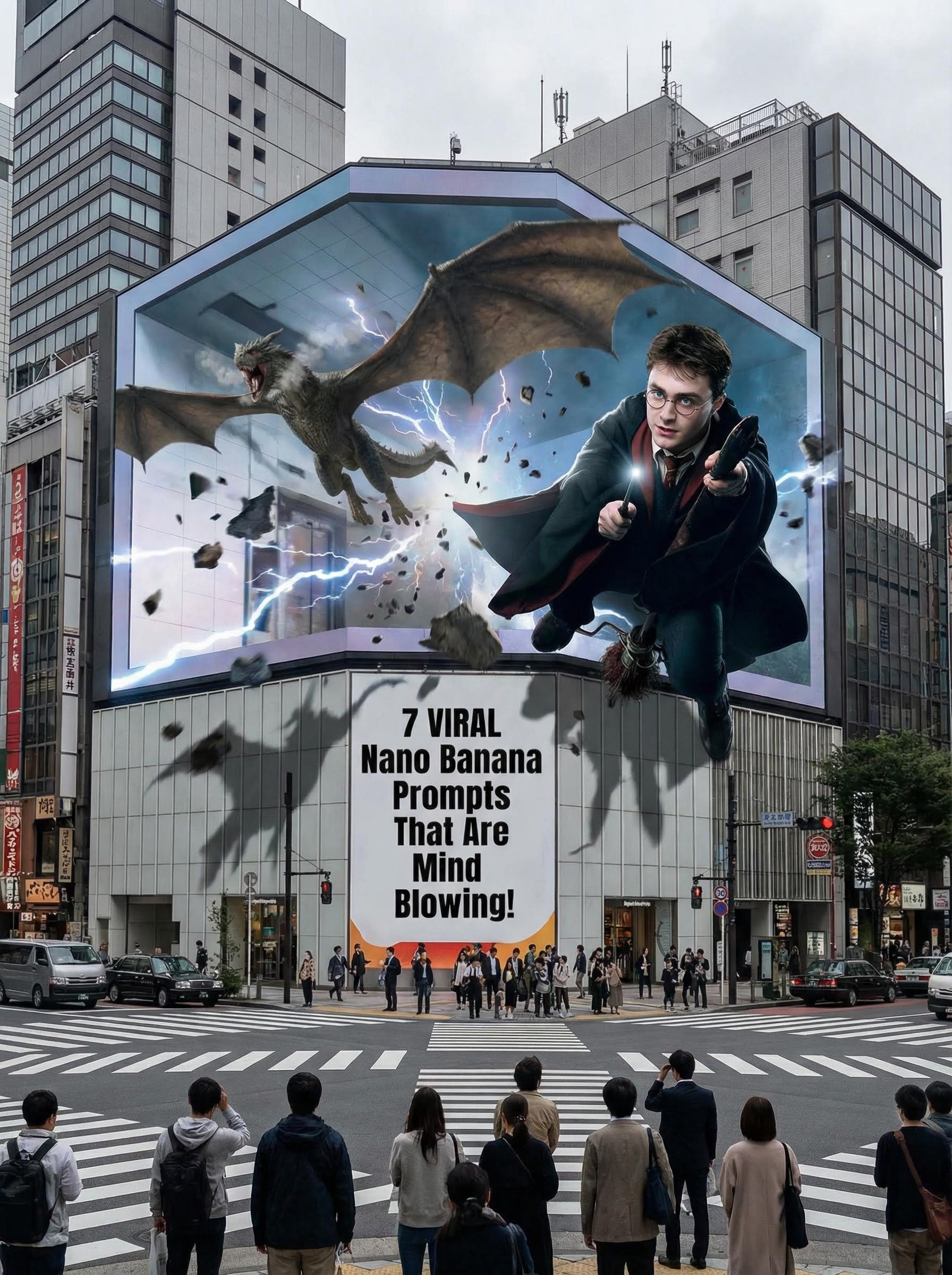
An enormous L-shaped glasses-free 3D LED screen situated prominently at a bustling urban intersection, designed in an iconic architectural style reminiscent of Shinjuku in Tokyo or Taikoo Li in Chengdu. The screen displays a captivating glasses-free 3D animation featuring [scene description]. The characters and objects possess striking depth and appear to break through the screen’s boundaries, extending outward or floating vividly in mid-air. Under realistic daylight conditions, these elements cast lifelike shadows onto the screen’s surface and surrounding buildings. Rich in intricate detail and vibrant colors, the animation seamlessly integrates with the urban setting and the bright sky overhead.
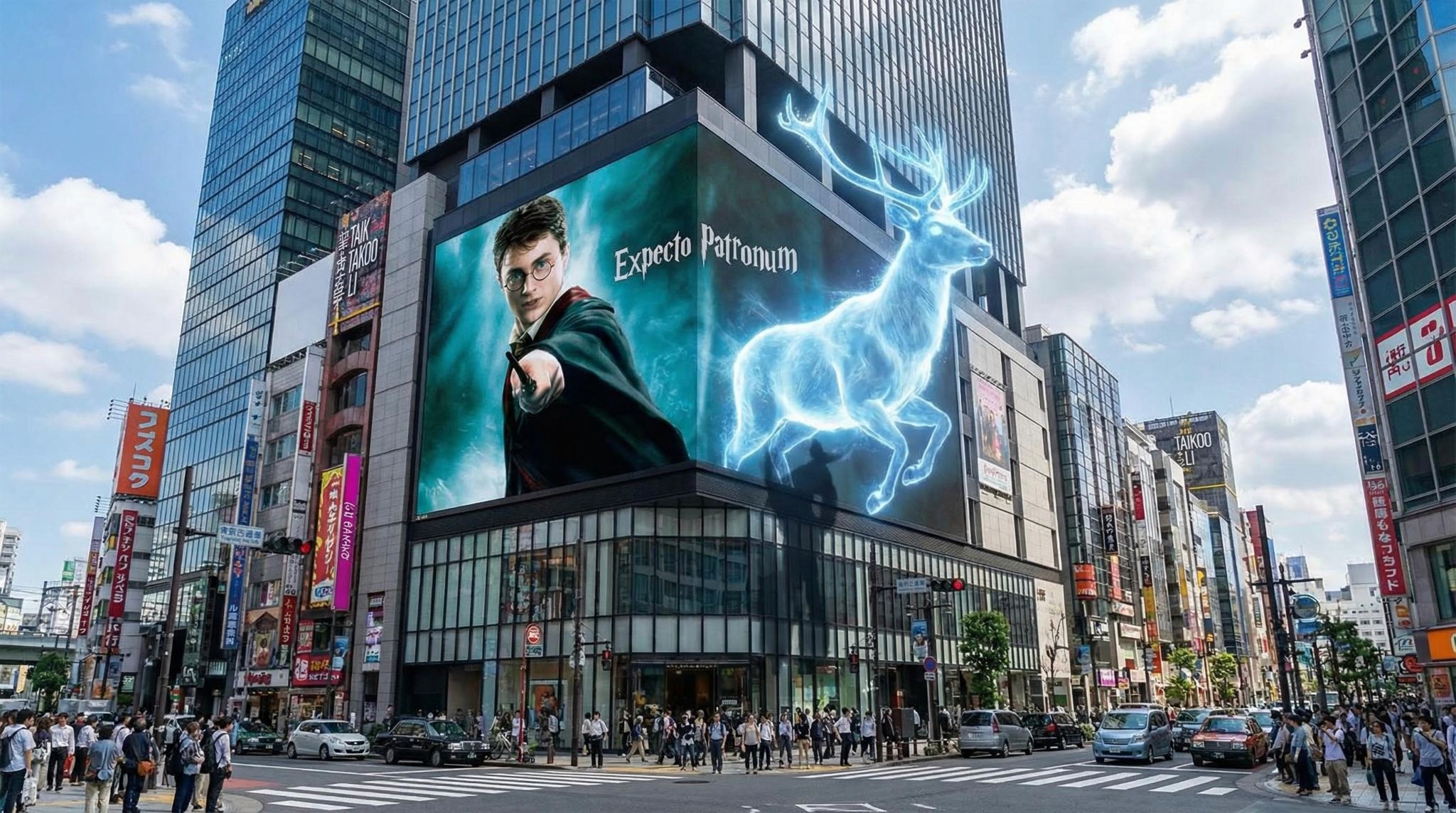
Créditos - https://x.com/dotey/status/1997574511705657772
Present a clear, 45° top-down view of an isometric miniature 3D cartoon scene, highlighting iconic landmarks centered in the composition to showcase precise and delicate modeling. A close-up of a porcelain coffee cup filled with cappuccino foam, subtly floating a detailed city of {city, default to user's current location} occupying most of the composition. Prominently displayed at the scene's center are the city's most iconic landmarks, vividly detailed and illuminated softly. Miniature streets feature realistic, tiny vehicles moving seamlessly. With cinematic-quality lighting and depth-of-field blurring, the image creates a magical, dreamlike atmosphere. Exceptionally detailed and highly photorealistic, the scene achieves an 8K cinematic finish.
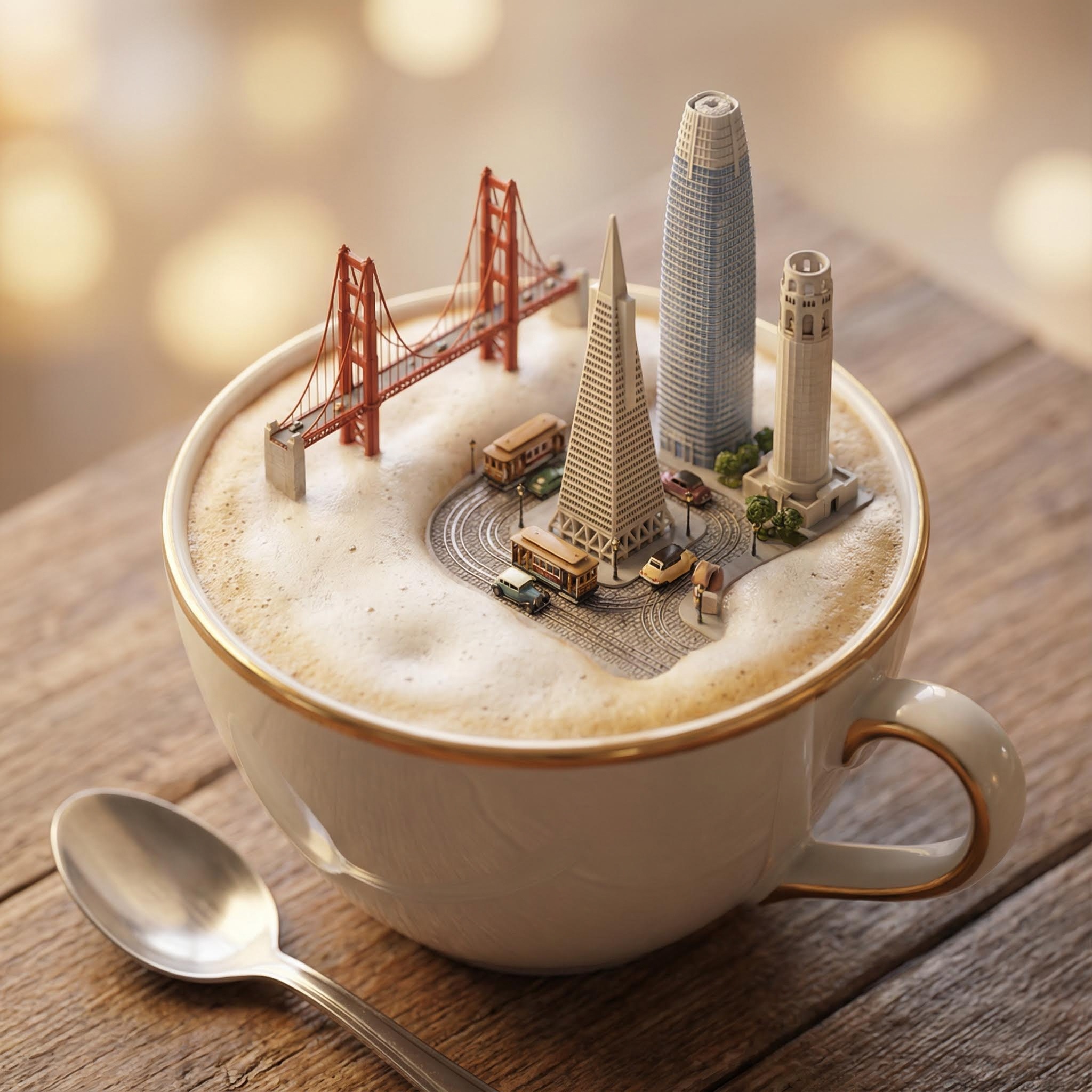
Créditos - https://x.com/dotey/status/1997504385761329330
A candid vertical smartphone photo of a tired young woman sitting on the beige carpet of a messy bedroom. She has a messy high bun hairstyle, no makeup, visible acne and realistic skin texture. She is wearing an oversized vintage "Iron Maiden" graphic t-shirt and baggy grey sweatpants. She is holding an iPhone in one hand and pulling up her white sock with the other, looking away with a dazed expression. The room is cluttered with open cardboard shipping boxes, a pile of laundry on a chair, and a Starbucks coffee cup on the floor. An unmade bed is in the background. Mixed lighting: natural window light from left and a warm bedside lamp on the right. High noise, amateur shot, authentic vibe.
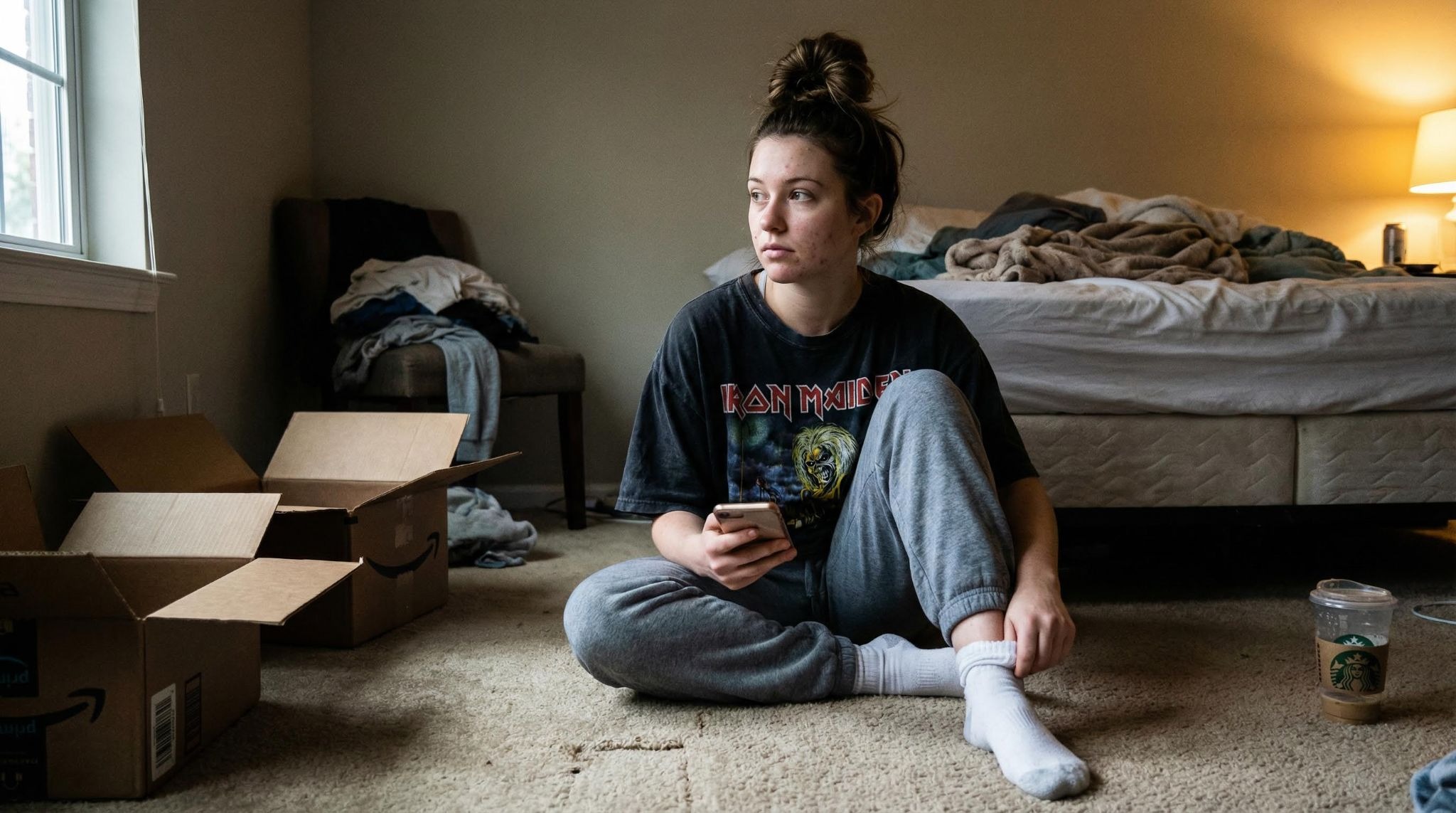
Créditos - https://x.com/jiex13716/status/1998402061806034944
Experimente aqui
I’m taking a selfie with [movie character] on the set of [movie name]. Keep the person exactly as shown in the reference image with 100% identical facial features, bone structure, skin tone, facial expression, pose, and appearance. 1:1 aspect ratio, 4K detail.
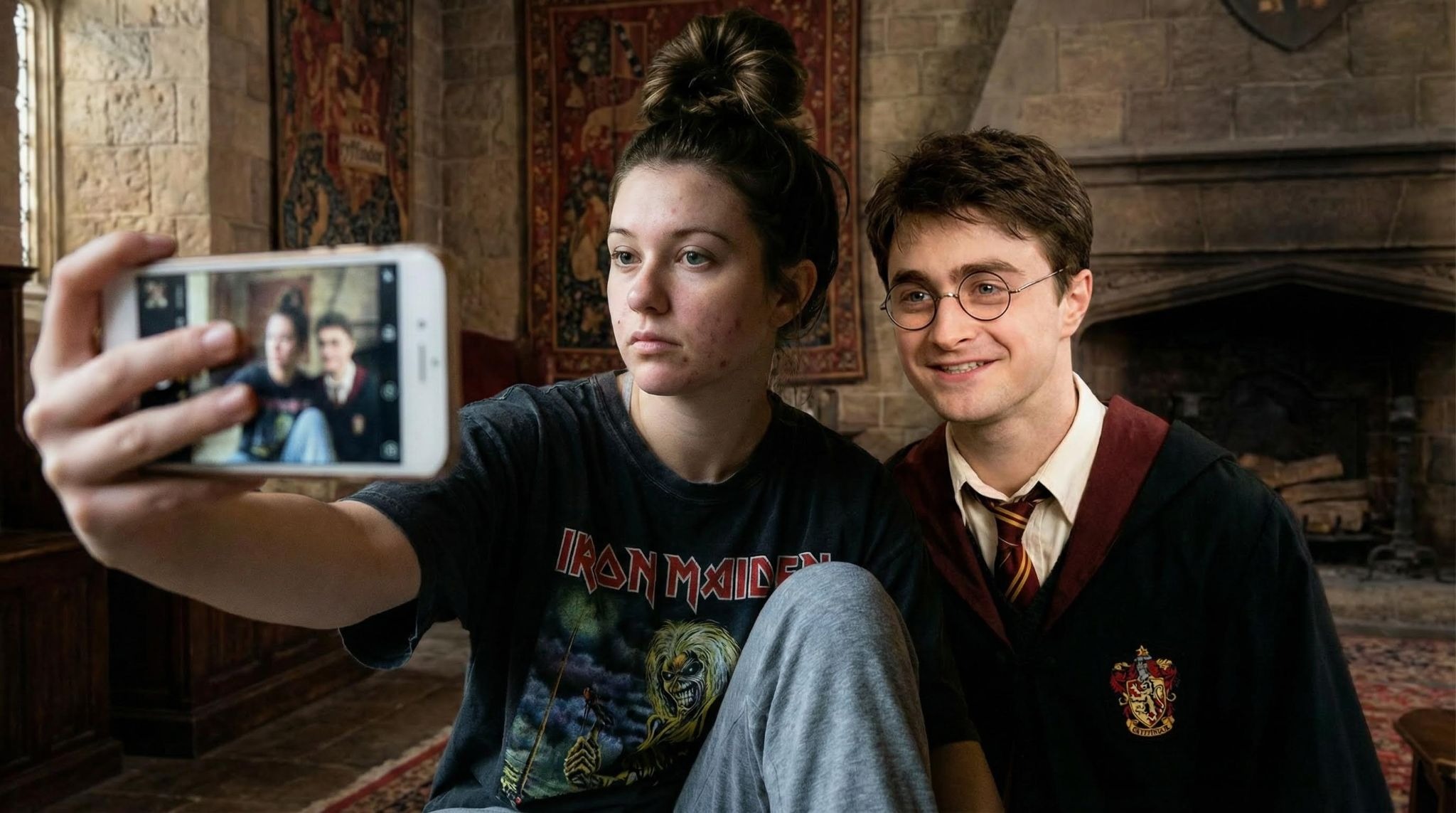
Créditos - https://x.com/rohanpaul_ai/status/1995641282056925680
<role>
You are an award-winning trailer director + cinematographer + storyboard artist. Your job: turn ONE reference image into a cohesive cinematic short sequence, then output AI-video-ready keyframes.
</role>
<input>
User provides: one reference image (image).
</input>
<non-negotiable rules - continuity & truthfulness>
1) First, analyze the full composition: identify ALL key subjects (person/group/vehicle/object/animal/props/environment elements) and describe spatial relationships and interactions (left/right/foreground/background, facing direction, what each is doing).
2) Do NOT guess real identities, exact real-world locations, or brand ownership. Stick to visible facts. Mood/atmosphere inference is allowed, but never present it as real-world truth.
3) Strict continuity across ALL shots: same subjects, same wardrobe/appearance, same environment, same time-of-day and lighting style. Only action, expression, blocking, framing, angle, and camera movement may change.
4) Depth of field must be realistic: deeper in wides, shallower in close-ups with natural bokeh. Keep ONE consistent cinematic color grade across the entire sequence.
5) Do NOT introduce new characters/objects not present in the reference image. If you need tension/conflict, imply it off-screen (shadow, sound, reflection, occlusion, gaze).
</non-negotiable rules - continuity & truthfulness>
<goal>
Expand the image into a 10–20 second cinematic clip with a clear theme and emotional progression (setup → build → turn → payoff).
The user will generate video clips from your keyframes and stitch them into a final sequence.
</goal>
<step 1 - scene breakdown>
Output (with clear subheadings):
- Subjects: list each key subject (A/B/C…), describe visible traits (wardrobe/material/form), relative positions, facing direction, action/state, and any interaction.
- Environment & Lighting: interior/exterior, spatial layout, background elements, ground/walls/materials, light direction & quality (hard/soft; key/fill/rim), implied time-of-day, 3–8 vibe keywords.
- Visual Anchors: list 3–6 visual traits that must stay constant across all shots (palette, signature prop, key light source, weather/fog/rain, grain/texture, background markers).
</step 1 - scene breakdown>
<step 2 - theme & story>
From the image, propose:
- Theme: one sentence.
- Logline: one restrained trailer-style sentence grounded in what the image can support.
- Emotional Arc: 4 beats (setup/build/turn/payoff), one line each.
</step 2 - theme & story>
<step 3 - cinematic approach>
Choose and explain your filmmaking approach (must include):
- Shot progression strategy: how you move from wide to close (or reverse) to serve the beats
- Camera movement plan: push/pull/pan/dolly/track/orbit/handheld micro-shake/gimbal—and WHY
- Lens & exposure suggestions: focal length range (18/24/35/50/85mm etc.), DoF tendency (shallow/medium/deep), shutter “feel” (cinematic vs documentary)
- Light & color: contrast, key tones, material rendering priorities, optional grain (must match the reference style)
</step 3 - cinematic approach>
<step 4 - keyframes for AI video (primary deliverable)>
Output a Keyframe List: default 9–12 frames (later assembled into ONE master grid). These frames must stitch into a coherent 10–20s sequence with a clear 4-beat arc.
Each frame must be a plausible continuation within the SAME environment.
Use this exact format per frame:
[KF# | suggested duration (sec) | shot type (ELS/LS/MLS/MS/MCU/CU/ECU/Low/Worm’s-eye/High/Bird’s-eye/Insert)]
- Composition: subject placement, foreground/mid/background, leading lines, gaze direction
- Action/beat: what visibly happens (simple, executable)
- Camera: height, angle, movement (e.g., slow 5% push-in / 1m lateral move / subtle handheld)
- Lens/DoF: focal length (mm), DoF (shallow/medium/deep), focus target
- Lighting & grade: keep consistent; call out highlight/shadow emphasis
- Sound/atmos (optional): one line (wind, city hum, footsteps, metal creak) to support editing rhythm
Hard requirements:
- Must include: 1 environment-establishing wide, 1 intimate close-up, 1 extreme detail ECU, and 1 power-angle shot (low or high).
- Ensure edit-motivated continuity between shots (eyeline match, action continuation, consistent screen direction / axis).
</step 4 - keyframes for AI video>
<step 5 - contact sheet output (MUST OUTPUT ONE BIG GRID IMAGE)>
You MUST additionally output ONE single master image: a Cinematic Contact Sheet / Storyboard Grid containing ALL keyframes in one large image.
- Default grid: 3x3. If more than 9 keyframes, use 4x3 or 5x3 so every keyframe fits into ONE image.
Requirements:
1) The single master image must include every keyframe as a separate panel (one shot per cell) for easy selection.
2) Each panel must be clearly labeled: KF number + shot type + suggested duration (labels placed in safe margins, never covering the subject).
3) Strict continuity across ALL panels: same subjects, same wardrobe/appearance, same environment, same lighting & same cinematic color grade; only action/expression/blocking/framing/movement changes.
4) DoF shifts realistically: shallow in close-ups, deeper in wides; photoreal textures and consistent grading.
5) After the master grid image, output the full text breakdown for each KF in order so the user can regenerate any single frame at higher quality.
</step 5 - contact sheet output>
<final output format>
Output in this order:
A) Scene Breakdown
B) Theme & Story
C) Cinematic Approach
D) Keyframes (KF# list)
E) ONE Master Contact Sheet Image (All KFs in one grid)
</final output format>
Cole isto no Germini e depois use o prompt gerado no Nano Banana Pro
Cinematic storyboard contact sheet, 3x3 grid, photorealistic film still style. Panel 1: Wide shot of young wizard in red/gold robes flying broomstick away from grey dragon, Scottish mountains. Panel 2: Close-up of wizard boy with round glasses looking terrified, wind blowing hair. Panel 3: Extreme close-up of leather-gloved hands gripping broom handle tight. Panel 4: Top-down view of wizard diving vertically toward grey castle tower, dragon following. Panel 5: Side profile of wizard on broom moving fast, motion blur. Panel 6: Low angle looking up at wizard banking hard around a stone turret. Panel 7: Close-up of dragon scales crashing into stone wall, debris flying. Panel 8: Wizard looking back over shoulder, dragon far behind in distance. Panel 9: Wide shot of wizard flying into white mist, silhouette. Style: 8k resolution, cinematic color grading, desaturated greens and greys, overcast lighting, Arri Alexa texture, consistent character identity across all panels.
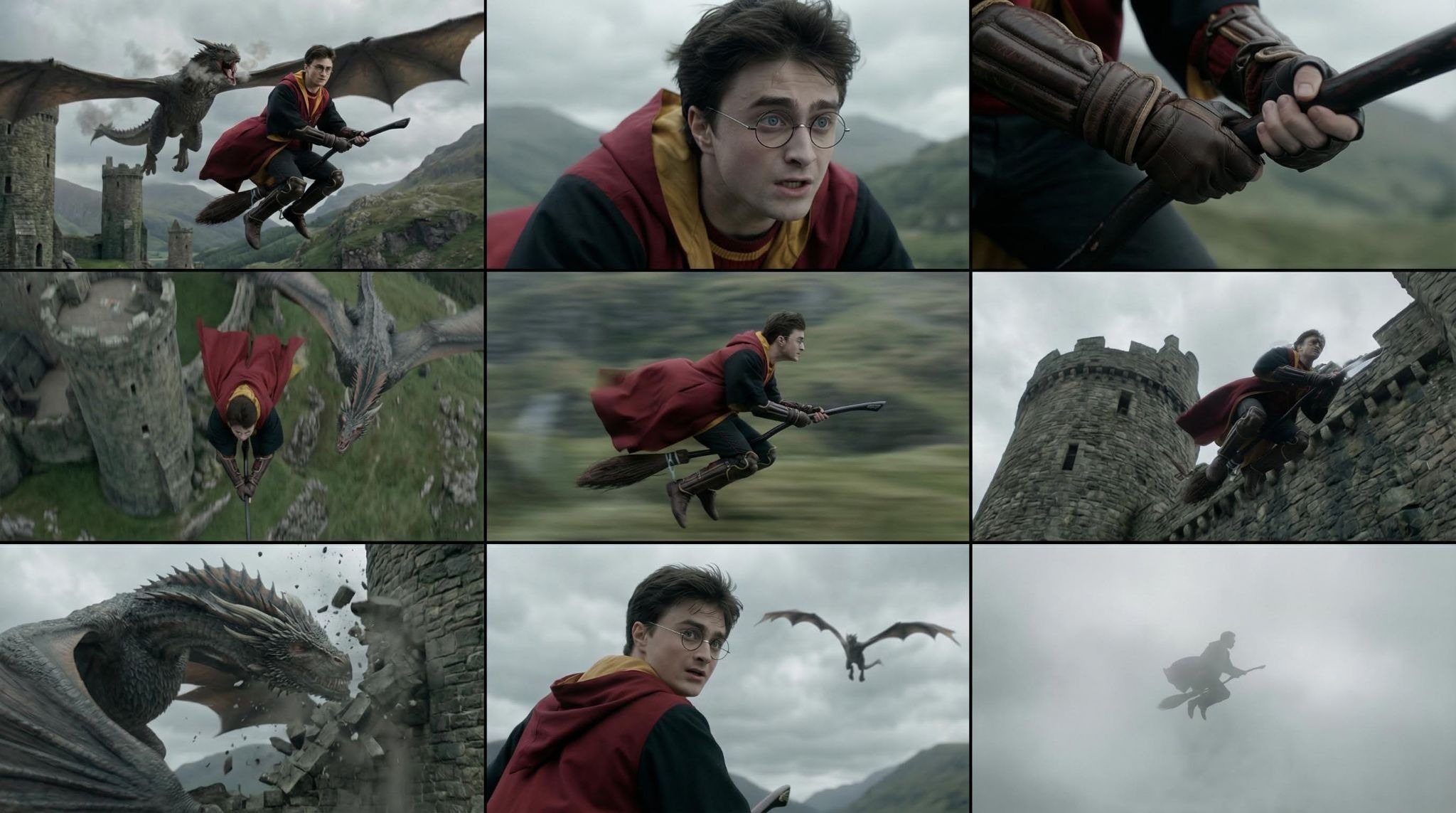
Créditos - https://x.com/underwoodxie96/status/1995347301284667554