Bill Kiekhofer writes his own lyrics, engineers his own sound, directs his own scenes, and times every cut himself.
Six months into Miramar Dreams Songs, he is releasing at a pace most signed artists never touch, and he is doing it out of Southern California with no crew, no editor, and no studio booking.
1.9M+ views | 11,000+ subscribers | 95 videos released in 6 months |
THE ARTIST Name: Bill Kiekhofer Project: Miramar Dreams Songs (@miramardreamssongs) Base: Southern California Live since: Early 2026 Range: Original lyrics, satire through to the reflective Writing partner: William L. Ramseyer, lyricist on "The Buddha Said (We Suffer)" Built with: The Atlabs Music video workflow |
The catalogue does the talking.
37 long-form
And the range is wider than the volume suggests. "Psycho Haiku" is sharp satire with a 90s jam band groove under it. "The Buddha Said (We Suffer)" sits at the other end entirely. "The Bridge of Dreams," written with his former classmate William L., joins projects that are already moving.
He is not "using AI" in that line, and every stage of it hands a finished input to the next one. That is why the output is consistent instead of occasional.
1. It starts with the words he wrote of that lyric, which is why his videos feel authored rather than assembled.
He clears the lyric before he builds anything.
This is the instinct of someone who intends to be publishing for years, not weeks.
He engineers the sound, then edits the engineering.
The cleared lyric goes back to Gemini to draft a Suno-style song already heard in his head.
His style prompts are engineering, not vibes. Tempo, instrumentation, production texture, and vocal character are all specified.
HIS STYLE PROMPT FOR "PSYCHO HAIKU" [indie rock, 90s jam band groove, Afro pop influence, acoustic guitar strumming, bright piano chords, congas, walking bassline, organic production, ironic clean male vocals, 95 bpm] |
He directs the visuals the same way. object, action, environment, lighting, texture, and camera move, all in one block.
And then he does the thing almost nobody does.
He hand-timed.
This single habit is why his videos feel scored rather than soundtracked.
A TIMESTAMPED PROMPT // ILLUSTRATIVE 0:00 to 0:22 A lone figure walks onto a wooden footbridge at first light while mist lifts off the water beneath. Paper lanterns drift past the railing, each one carrying a fragment of handwriting. Warm low sun, high contrast, cinematic 35mm film grain, slow dolly shot inward. |
Atlabs turns the plan into the film.
By the time he opens Atlabs, the song is done and the visual plan is written. He is not exploring; he is executing.
The studio Atlabs hands him.
Set Style
Aspect ratio and visual direction. 16:9 for the long-form
Finalize Cast
Names and locks the characters, so the same face holds from the first frame to the last andisions possible at a scale one person could never reach alone.
HIS STUDIO, END TO END Original lyric → platform check → engineered style prompt → timestamped scene direction → Atlabs Music Video → YouTube and DistroKid |
A release cadence most labels cannot hold
By his own count, six months of that process have
The result is an artist whose only real limit is how many songs he has left in him.
On current evidence, that is a lot.
See the work for yourself.
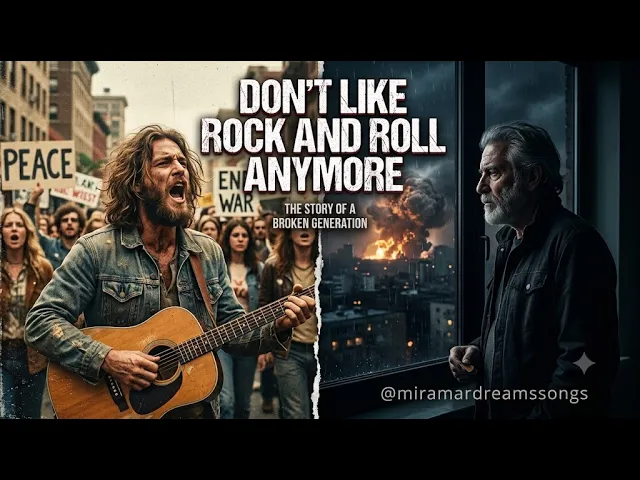
Reading about a process only gets you so far. The video above is the output of everything described above: the lyrics he wrote, the sound he engineered, the scenes he directed, and the timing he set by hand, rendered through the Atlabs Music Video workflow. Watch how the cuts sit on the beat rather than near it, and how the same faces hold from the opening frame to the last. That consistency is not a happy accident of one good render. It is what a written plan looks like when the workflow can actually execute it. Ninety-four more are waiting on his channel.
Bill Kiekhofer writes his own lyrics, engineers his own sound, directs his own scenes, and times every cut himself. Six months into Miramar Dreams Songs, he is releasing at a pace most signed artists never touch, and he is doing it out of Southern California with no crew, no editor, and no studio booking.
The catalogue does the talking. 37 long-form videos. 58 shorts. Six months. That is roughly four finished releases a week, held steady, by one artist working alone. And the range is wider than the volume suggests. "Psycho Haiku" is sharp satire with a 90s jam band groove under it. "The Buddha Said (We Suffer)" sits at the other end entirely. "The Bridge of Dreams," written with his former classmate William L. Ramseyer, went out on 13 August 2026. Serious collaborators do not join projects that are stalling. They join projects that are already moving. He is not "using AI." He is running a studio. Bill built a production line, and every stage of it hands a finished input to the next one. That is why the output is consistent instead of occasional. 1. It starts with the words he wrote. Not a prompt. Not a trending format. An original lyric, written first, before any tool is opened. Everything downstream is in service of that lyric, which is why his videos feel authored rather than assembled. 2. He clears the lyric before he builds anything. The finished lyric goes to Google Gemini with one question attached: is the YouTube algorithm going to have a problem with this? On "Psycho Haiku," the answer came back with real edits to make, and he made them. A revision at the lyric stage costs an afternoon. The same problem found after a finished video is uploaded costs the video. This is the instinct of someone who intends to be publishing for years, not weeks. 3. He engineers the sound, then edits the engineering. The cleared lyric goes back to Gemini to draft a Suno-style prompt and lyric prompts. He then edits both by hand until the track matches what he already heard in his head. His style prompts are engineering, not vibes. Tempo, instrumentation, production texture, and vocal character are all specified.
4. He directs the visuals the same way. He has Gemini draft narrative video prompts written for Atlabs specifically, then rewrites them extensively. They read like shot lists, not moods: subject, action, environment, lighting, texture, and camera move, all in one block. And then he does the thing almost nobody does He hand-timed every scene prompt against the real timing of the finished track. Scene one is written to run exactly as long as scene one runs. Most people write in a mood and hope the cuts land. Bill writes a schedule and holds the video to it. This single habit is why his videos feel scored rather than soundtracked.
6. Atlabs turns the plan into the film. By the time he opens Atlabs, the song is done and the visual plan is written. He is not exploring; he is executing. 7. One piece of work, two releases The video goes up on YouTube. The audio goes to DistroKid and out to the streaming services. Every song he finishes earns its keep twice. The studio Atlabs hands him. Four steps, each built to accept an artist who already knows exactly what he wants. Add Music Takes the finished track and reads its language, BPM, mood, and genre. Every one of those stays editable, because the person who wrote the song knows it better than any detector will. Set Style Aspect ratio and visual direction. 16:9 for the long-form releases, 9:16 for the shorts, from a library that runs Cinematic and Realistic through Watercolour Ink, Storybook, Oil Painting, and Anime. Finalize Cast Names and locks the characters, so the same face holds from the first frame to the last and carries into the next release. And underneath all four, Atlabs reads the track’s energy peaks and cuts the scenes to land on them. That beat detection is doing the job an editor normally bills the most hours for. It is the line between a video that feels scored and a slideshow with music behind it. Because Bill has already timed his prompts to the song, his schedule and the platform’s beat map pull in the same direction. His intent survives all the way to the export. That is the whole point. The workflow is not making his decisions. It is making his decisions possible at a scale one person could never reach alone.
A release cadence most labels cannot hold By his own count, six months of that process have drawn over 1.6 million views, more than eleven thousand subscribers, and close to 30,000 hours of watch time. Watch time is the number that matters most, because it is the one that cannot be faked by a thumbnail. It says people are staying until the end. Staying is what YouTube rewards with distribution, and distribution is what turns a channel into an audience. The catalogue is compounding too. Every release feeds the next one, and the pace itself has become part of the draw.
What Bill proves That the ceiling on an independent artist was never the music. It was everything that had to happen after the music, before anybody would see it. The videographer’s invoice. The editing suite nobody has time to learn. The static album cover that quietly kills the reach. Bill did not get around that by lowering his standards. He raised his process. He writes, clears, engineers, directs, and times every release himself, and Atlabs gives that process a studio big enough to hold it. The result is an artist whose only real limit is how many songs he has left in him. On current evidence, that is a lot. See the work for yourself.
|