Why Are Creators Moving Away from HeyGen?
HeyGen made AI avatar video mainstream. Type a script, pick a presenter, export a clip. For simple explainer videos and internal comms, it works. But as teams start producing content at scale product launches, paid ads, localized campaigns, YouTube series they keep running into the same ceiling.
The frustrations show up consistently across communities:
Avatar quality feels artificial once viewers see it enough the same stock faces everyone else is using
No animated characters or cinematic video: you're locked to a talking-head format
Zero creative control after generation what the tool gives you is what you ship
Can't generate product ad creatives or story-driven video sequences
Localization is available but quality is inconsistent across languages
Credit pricing becomes unpredictable when you're producing at volume
Once you need video that actually performs scroll-stopping ads, character-driven content, or anything that doesn't look like every other AI avatar video you need more than HeyGen provides. You need a production system.
Quick Comparison: Best HeyGen Alternatives in 2026
Tool | Best For | Key Advantage Over HeyGen | Tradeoff |
|---|---|---|---|
Atlabs AI | Creators, brands, marketers, filmmakers | End-to-end: animated avatars, product ads, all top AI models + full scene editing | Newer entrant, community still growing |
Synthesia | Corporate L&D & HR teams | Large pre-made avatar library, enterprise SSO & compliance | Locked to presenter-style format, no animated/cinematic output |
D-ID | Conversational AI & chatbots | Real-time streaming avatar API for interactive apps | Low visual realism, no campaign production workflow |
Runway | Post-production editors | Advanced masking, inpainting, layer-based refinement | Expensive at volume, steep learning curve |
Pika | Fast concept testing | Rapid stylized clip generation for ideation | Not a production tool, needs a separate editor |
Atlabs AI: Best Overall HeyGen Alternative
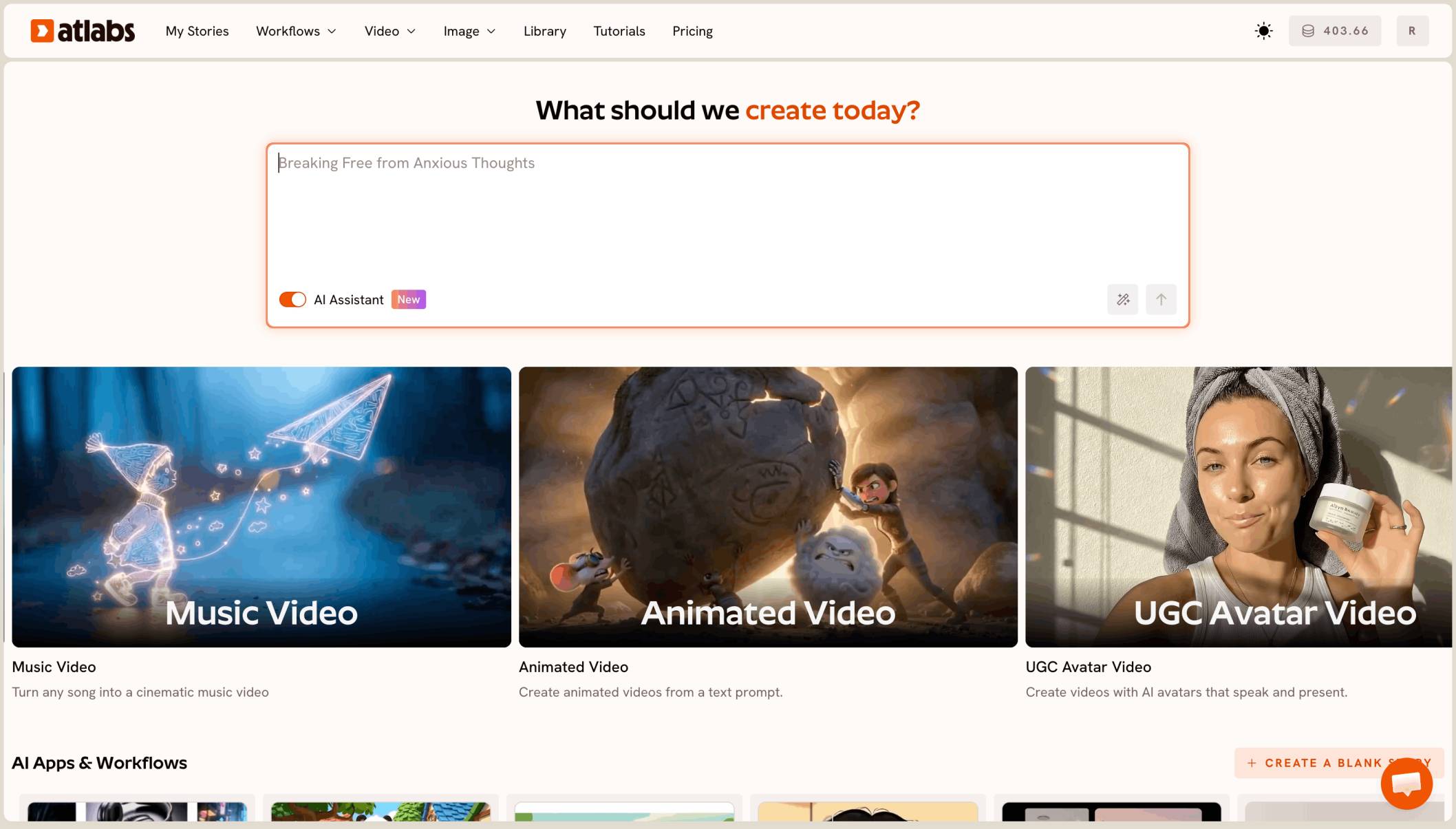
If HeyGen gave you your first taste of AI avatar video, Atlabs AI is what you graduate to. It is the only platform that covers the full production arc from animated characters to product ads to short films inside a single, fully editable workspace.
Atlabs is not another avatar generator. It is a complete AI video studio built for people who ship content regularly: marketers running paid campaigns, brand teams producing weekly content, and solo creators building an audience.
What Makes Atlabs Different from HeyGen
Animated Avatars That Don't Look Like Everyone Else's
HeyGen gives you a library of pre-built presenters. Every other brand using HeyGen has access to the same faces. Atlabs lets you generate fully custom AI avatars from scratch, or build characters unique to your brand that appear consistently across your entire content library.
For UGC-style ad campaigns, product testimonials, or creator-driven series, this distinction matters enormously. Your audience sees a face they associate with your brand, not a stock presenter they've seen on twelve other channels.
Not Just Talking Heads, Full Cinematic and Animated Video
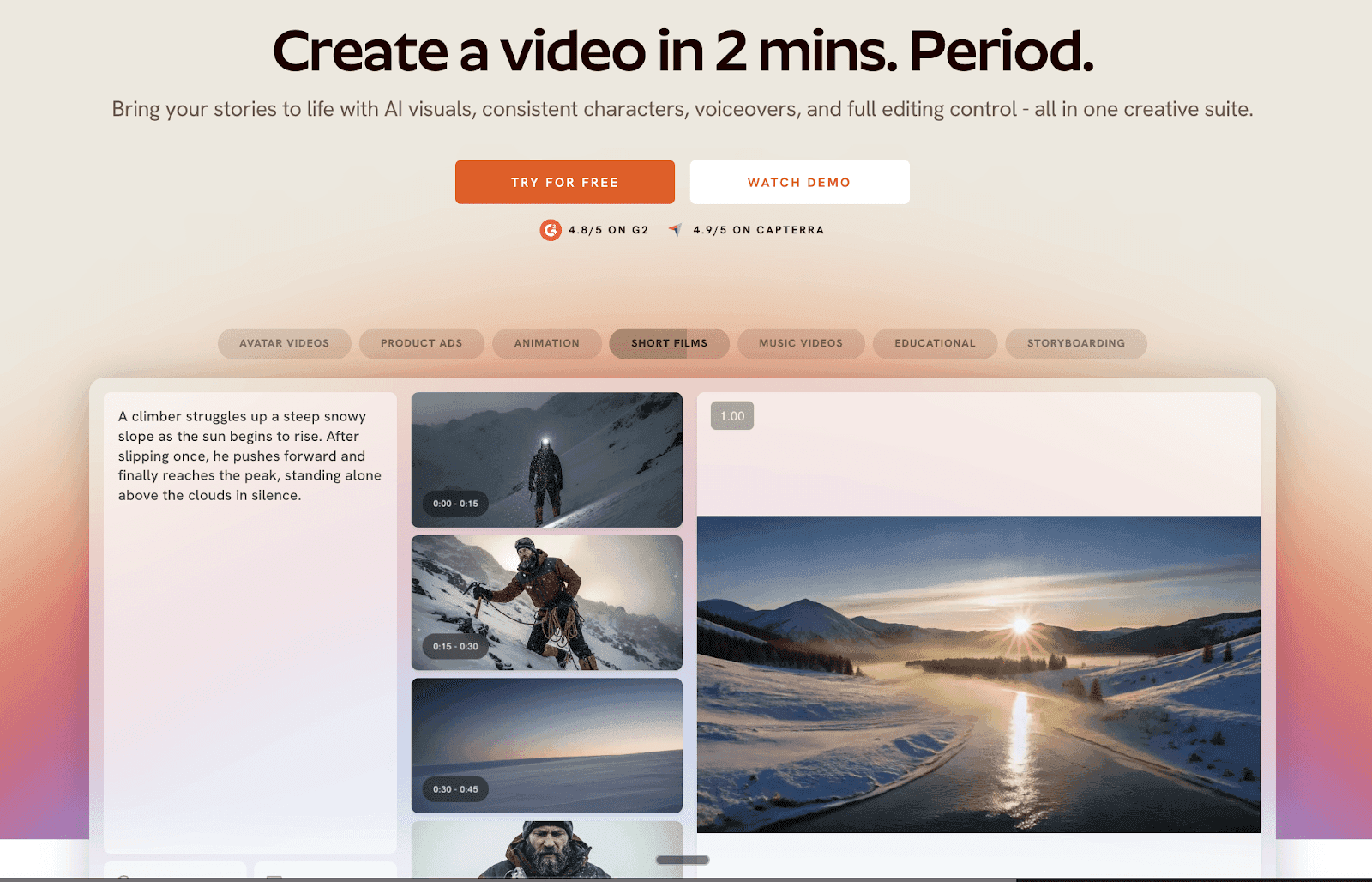
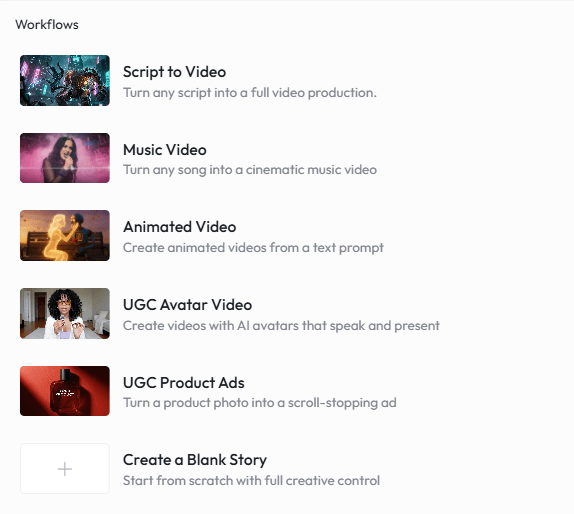
This is the fundamental difference. HeyGen is a talking-head tool. Atlabs supports Avatar Videos, Product Ads, Animated Sequences, Short Films, Music Videos, Educational content, and Storyboarding all in one place.
You can build a 90-second product ad that opens with an animated scene, transitions to an avatar presenter, and ends with a cinematic product reveal. That kind of storytelling is impossible in HeyGen. In Atlabs, it's a single project.
Access to Every Top AI Model in One Interface
Instead of being locked to one generation engine, Atlabs gives you access to all leading AI image and video models including Google Veo 3, Seedance, Flux Kontext, and more through a single interface.
This means you're not betting on one model's aesthetic or limitations. A photorealistic product shot might call for a different model than a stylized animated character. Atlabs lets you choose per scene without leaving the platform, managing separate subscriptions, or dealing with incompatible export formats.
Every Scene Is Editable Not Locked on Export
This is the pain point HeyGen users know well. Generate a video, spot a problem on the third slide, have to rebuild from scratch. In Atlabs, every scene is independently editable after generation.
A client needs the CTA changed? Edit just that scene. Product color is wrong? Swap it without regenerating the whole video. Want to resize for TikTok? One-click reframe. This is the workflow behavior that earns trust from teams working on tight deadlines.
Product Ads With a Dedicated Production Pipeline
HeyGen doesn't have a product ads workflow. Atlabs does and it's purpose-built for commercial video at scale. You can generate product ad creatives that integrate visuals, voiceover, pacing, and platform-specific formatting so your finished assets go directly into a paid campaign, not a mood board.
One-Click Localization in 40+ Languages
Both platforms offer multilingual output. The difference is fidelity. Atlabs maintains lip sync, voice quality, and visual consistency across languages which means your avatar in Spanish sounds and looks as polished as your original English version. For global brands running localized ad campaigns, this gap is significant.
When Should You Choose Atlabs Over HeyGen?
You produce content regularly and need a repeatable, editable production workflow
You need custom avatars that look unique to your brand not shared stock presenters
You want animated, cinematic, or story-driven video not just talking-head clips
You're running product ad campaigns that need polish, not just presenter clips
You want one platform instead of a fragmented stack of tools
You need multilingual output with consistent quality across languages
If HeyGen is a talking-head generator, Atlabs AI is a complete creative studio. For anyone doing serious video work, there's no comparison.
2. Synthesia: Best for Corporate L&D and Enterprise Teams
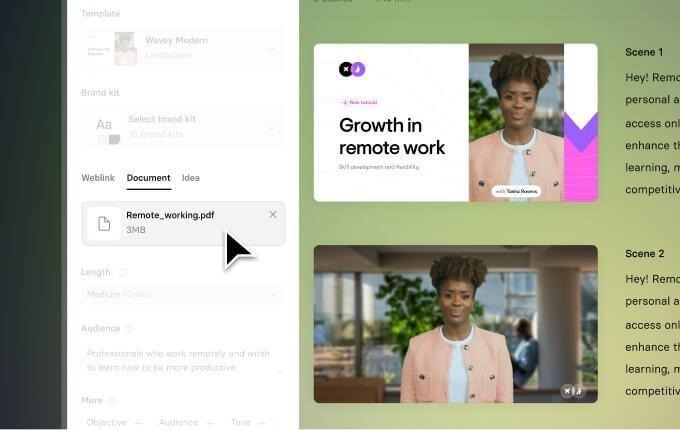
Synthesia is the most established name in AI avatar video for enterprise use cases. Its reputation was built on one clear promise: turn a text script into a professional-looking presenter video, fast, without any filming.
For HR teams producing onboarding modules, compliance training, or internal briefings, Synthesia delivers on that promise reliably. The avatar library is large, the interface is clean, and enterprise plans come with SSO, role-based access, and compliance certifications that large organizations genuinely need.
The limitation is the same one HeyGen has: you're producing presenter-format video. Synthesia doesn't offer animated characters, cinematic sequences, or product ad workflows. If your use case is internal training and structured corporate communication, it's a solid tool. If you need content that performs in paid media or builds brand identity externally, you'll outgrow it quickly.
Best for: L&D teams, HR departments, and enterprise communications that need reliable presenter-format video with enterprise-grade security and access controls.
3. D-ID: Best for Conversational AI and Real-Time Avatar Applications
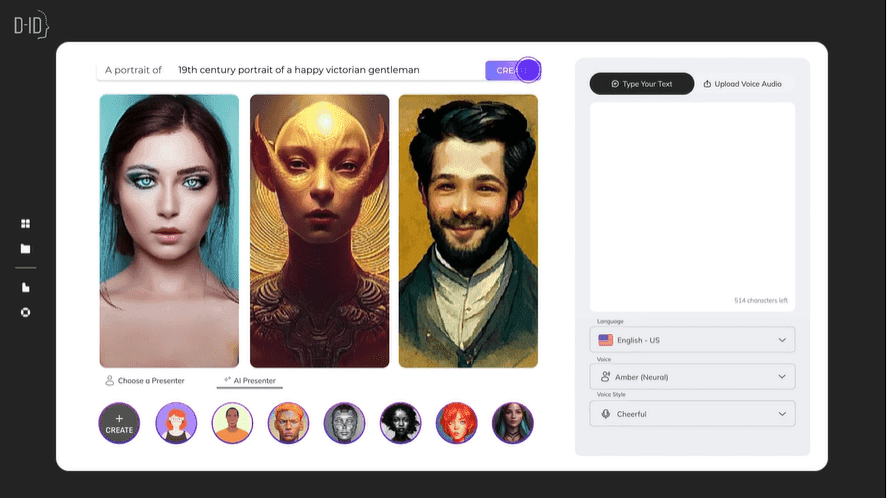
D-ID occupies a different part of the AI avatar market than the other tools here. Where Synthesia and HeyGen are video production tools, D-ID is increasingly an API platform for developers building interactive applications.
Its real-time streaming avatar capability is genuinely differentiated. You can power a conversational AI interface where a digital human responds to user input in real time useful for customer service bots, interactive kiosks, or educational tools where a live-feeling presenter matters more than cinematic quality.
For standard video production, D-ID's output looks noticeably less polished than Atlabs or Synthesia. The photorealism of its avatars has improved but remains behind the competition, and there's no campaign production workflow. It's a strong choice if you're a developer building an interactive application. It's not the right choice if you're a marketer producing ad creative or a creator building a content library.
Best for: Developers building conversational AI interfaces and interactive avatar experiences where real-time responsiveness matters more than production quality.
4. Runway: Best for Post-Production Control and Video Refinement
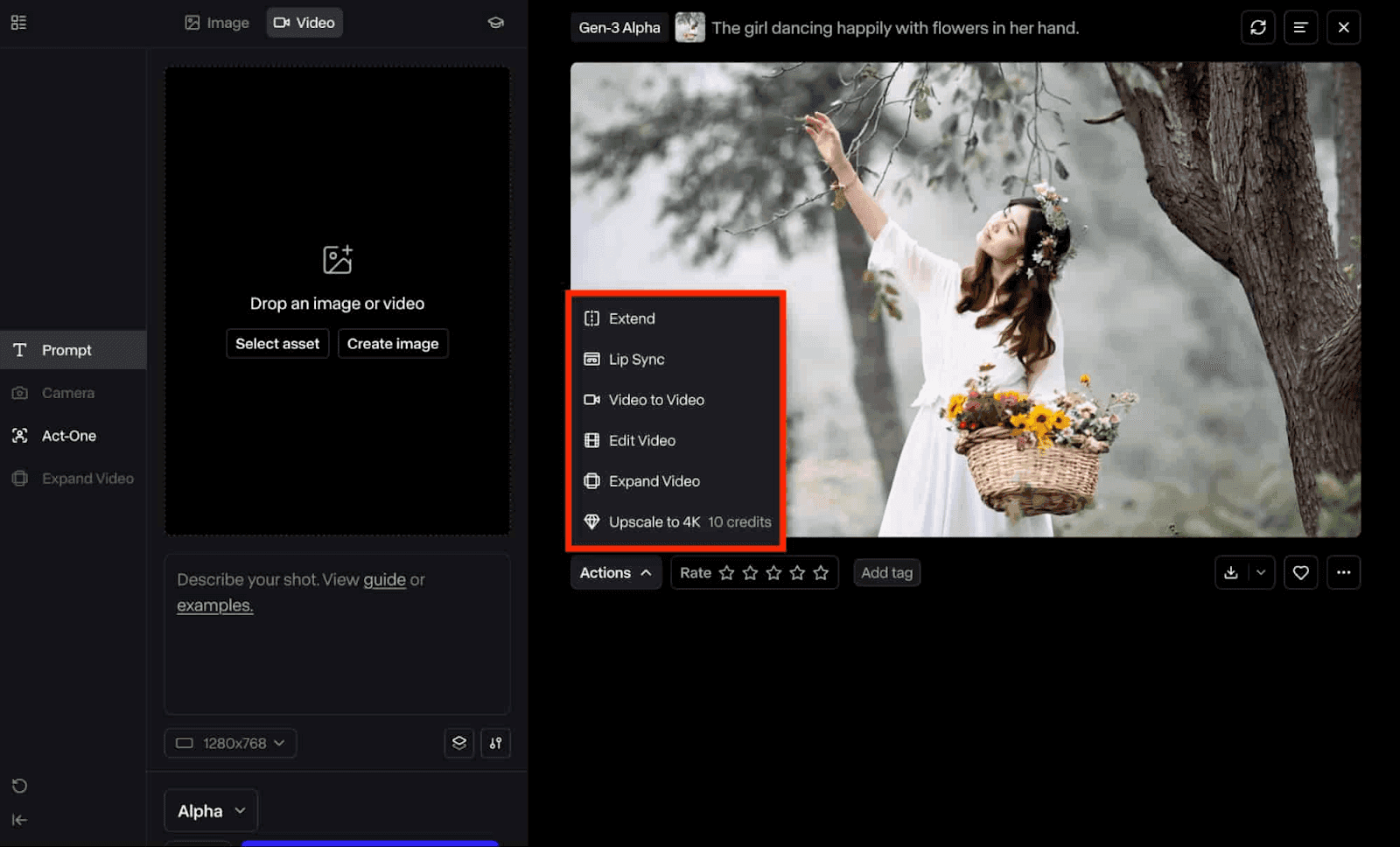
Runway is a natural name in any conversation about video AI tools, and its evolution has been significant. It has moved well beyond text-to-video demos and now operates as a serious post-production environment for video creators who think in layers and timelines.
Where Runway distinguishes itself is in refinement. Features like Motion Brush, Camera Controls, masking, and inpainting give you the ability to shape a generated clip rather than accept it as-is. If a subject moves in a way that feels wrong, or a background element is off, Runway gives you the tools to fix it inside the same project. For creators who've been burned by generation-only tools where the output is the endpoint, this matters.
The trade off is cost and complexity. Runway's credit system becomes expensive during heavy exploration phases, and the feature depth that makes it powerful also means a genuine learning curve. It doesn't have a product ads workflow, avatar video system, or one-click localization you're assembling your own pipeline around it.
Best for: Experienced editors and compositors who need granular post-production control and are comfortable building their own workflow around a specialized tool.
5. Pika: Best for Fast Visual Concept Testing
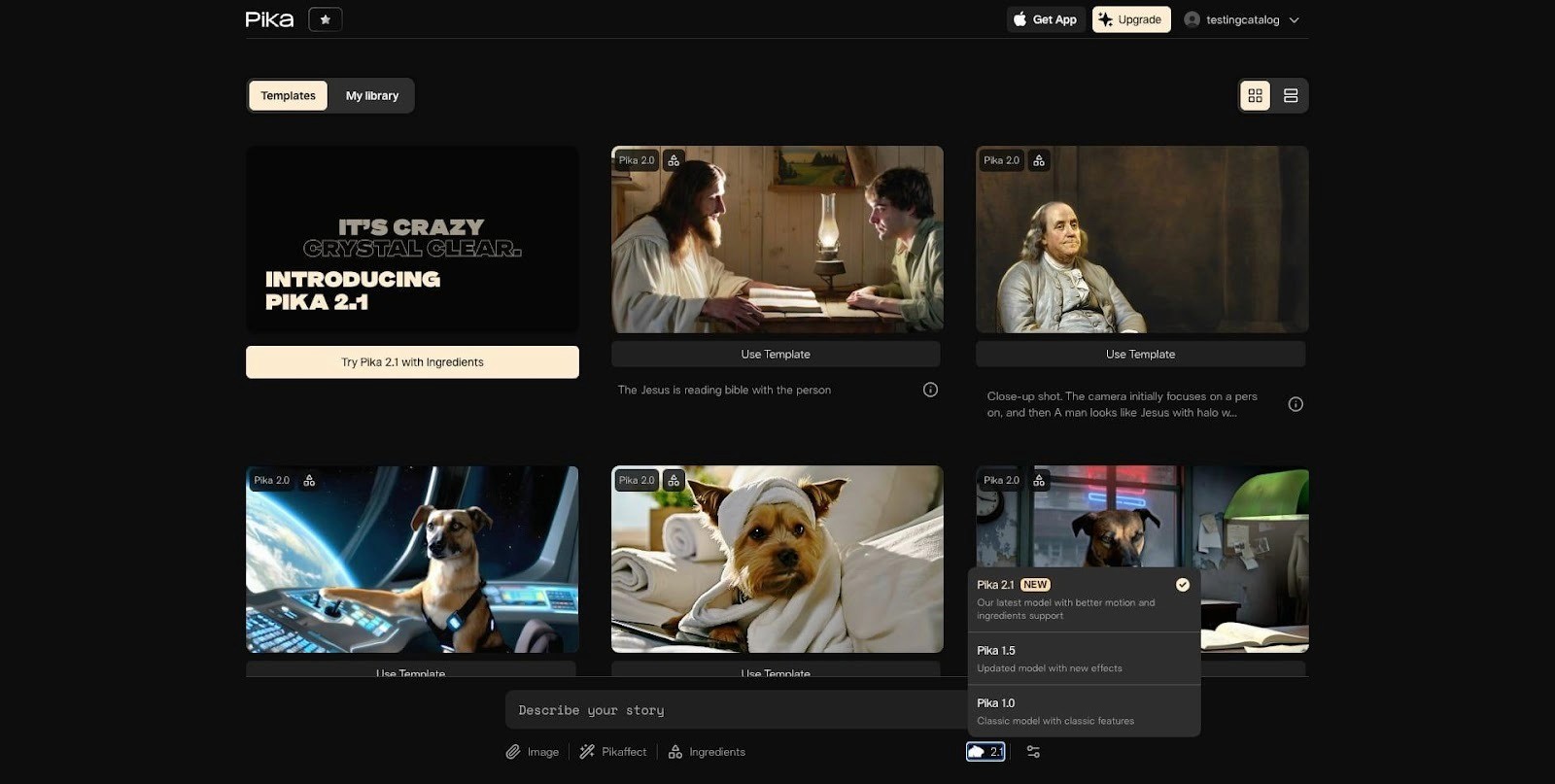
Pika is the fastest path from an idea to a visual test in the current AI video landscape. Its interface is stripped back and built for iteration you enter a prompt, generate a stylized clip quickly, and assess whether the direction is worth pursuing.
That speed is Pika's genuine advantage. In the early stages of a campaign when you're still exploring visual directions and don't want to invest production time in an unproven concept, Pika lets you burn through ideas fast. Social media creators who experiment heavily with hooks, aesthetics, and formats will find it a useful companion for concept validation.
The limitations become relevant once you move past ideation. Pika doesn't have avatar video capability, consistent character support, or a production workflow. Most Pika output needs significant additional editing before it's ready to publish professionally. It works best as a starting point before moving into a platform like Atlabs AI for final production.
Best for: Social creators and marketers in the early concept phase who need rapid visual testing before committing to full production.
How to Choose the Right HeyGen Alternative
The right tool depends entirely on what kind of video work you do and what stage of production you're in.
If you're a brand, marketer, or creator who needs a full production workflow custom avatars, product ads, animated sequences, multilingual output all in one editable platform, Atlabs AI is the clear recommendation. It's the only tool on this list that handles the complete arc from concept to final export without requiring you to hand off to another tool.
If you're an enterprise team producing internal training content at scale with strict security requirements, Synthesia is purpose-built for your use case.
If you're a developer building an interactive AI application where real-time avatar response matters, D-ID has the API infrastructure you need.
If you're an experienced editor who needs the most granular post-production control available in AI video, Runway rewards the investment of time.
And if you're still in the concept phase, testing directions before greenlighting a campaign, Pika is the fastest tool for that specific purpose.
Final Verdict
HeyGen works for what it does: turn a script into a presenter clip, fast. For simple internal communications or early-stage content experiments, that's enough.
But for anyone building a real video production workflow a marketing team running paid campaigns, a brand studio producing weekly content, an independent creator building an audience the limitations become apparent quickly. You're producing talking-head clips with the same stock faces as your competitors, with no way to build animated characters, run product ad campaigns, or edit individual scenes after generation.
Atlabs AI is the most complete alternative available. It replaces not just HeyGen but the entire fragmented tool stack that most creators currently use to cover what HeyGen can't. Custom avatars, animated and cinematic video, product ads, multi-model access, full scene editing, and one-click localization all in one platform.
For creators and brands who are serious about video, the choice is clear. Start at atlabs.ai.
Try Atlabs AI for free at app.atlabs.ai