Why are Creators Looking for a Runway ML Alternative
Runway ML has earned its reputation. Gen-4 is genuinely impressive for cinematic motion, and the editing suite, Aleph, Act-Two, motion brush, is more refined than almost anything else in the space. For a specific type of creator doing post-production-heavy work, it is still a serious tool.
But the frustrations are consistent, and they show up in every community where creators compare tools:
Credits disappear faster than expected. The free plan's 125 one-time credits translate to roughly 25 seconds of Gen-4 Turbo footage. The Standard plan gives 625 credits monthly, workable for light use, exhausted quickly on any real project.
Pricing is hard to budget. Different models burn credits at wildly different rates. Gen-4 Video Turbo costs 5 credits per second; Veo 3 with audio costs 40 credits per second. One wrong model choice and your month's budget is gone.
Credits don't roll over. Every unused credit resets at the billing cycle. Heavy months and light months average out badly when there is no carry-forward.
"Unlimited" is misleading. The $76/month Unlimited plan places generations in a lower-priority "relaxed rate" queue. During peak hours, users report waits long enough to stall a deadline-driven workflow.
It is a motion engine, not a production platform. Runway does not have a built-in script writer, avatar system, voiceover pipeline, or multi-scene workflow. Every piece outside of generation lives in a different tool.
16-second clip limit. The maximum video duration forces creators to stitch multiple clips together for any substantive content, adding significant post-production overhead.
Once you are making videos for a real audience, ads, product content, social series, educational content, you need more than a clip engine. You need a system. That is what this comparison is about.
Quick Comparison: Best Runway ML Alternatives in 2026
Tool | Best For | Key Advantage | Tradeoff |
|---|---|---|---|
Atlabs AI | Creators, brands, marketers & agencies | End-to-end platform: UGC avatars, cinematic video, product ads, 10+ AI models in one place | Newer entrant, community still growing |
Kling AI | Cinematic motion shots & product ads | Long, stable, physics-grounded motion sequences | No built-in script, voice, or multi-scene editor |
Pika | Fast social concept testing | Rapid clip iteration, stylized outputs in seconds | Not a full production tool; needs another editor |
Luma Dream Machine | Cinematic hero shots & brand reveals | Genuine 3D scene depth and lighting realism | 5–10 sec clips only; no audio or dialogue system |
InVideo AI | Template-driven social & marketing video | Fast, guided workflows for non-video-editors | Limited creative control; no generative AI video |
1. Atlabs AI Best Overall Runway ML Alternative • atlabs.ai |
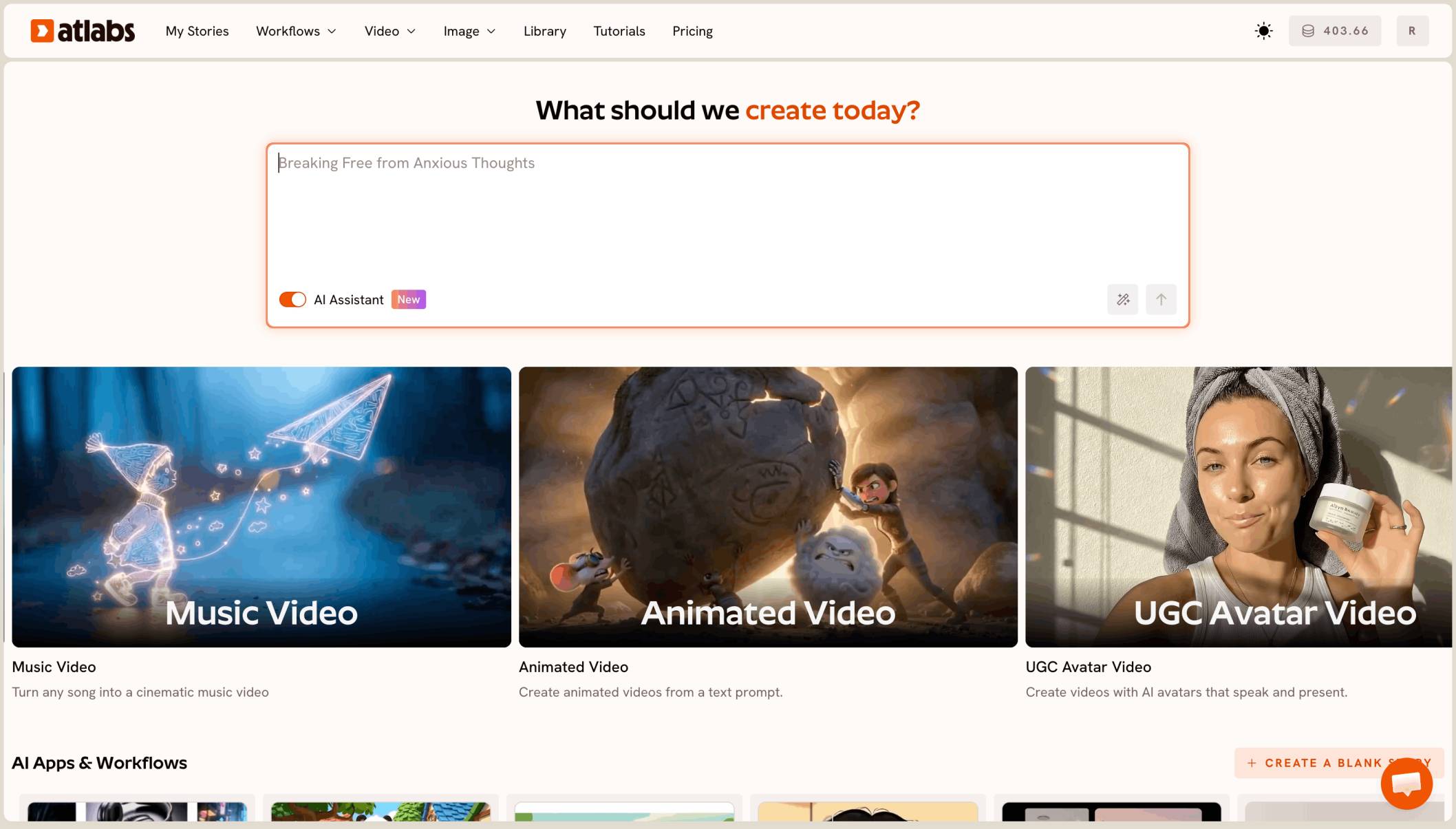
If you have been looking for a single platform that replaces not just Runway but the entire fragmented stack of tools that surrounds it, script writer, avatar system, voiceover tool, video editor, caption engine, export formatter, Atlabs AI is the answer.
It is the most complete end-to-end AI video creation platform available today. Where Runway hands you a clip and steps back, Atlabs hands you a fully editable production.
What Makes Atlabs AI Different from Runway ML
UGC Avatars and Consistent Characters at Scale
Runway has no avatar system. Atlabs has a purpose-built UGC avatar workflow that lets you create AI presenters maintaining consistent appearance, voice, and personality across an entire campaign or video series. For brands running product reviews, testimonial-style ads, or creator-driven content without the overhead of live filming, this feature alone justifies the switch.
A Full Production Platform: Not Just a Clip Generator
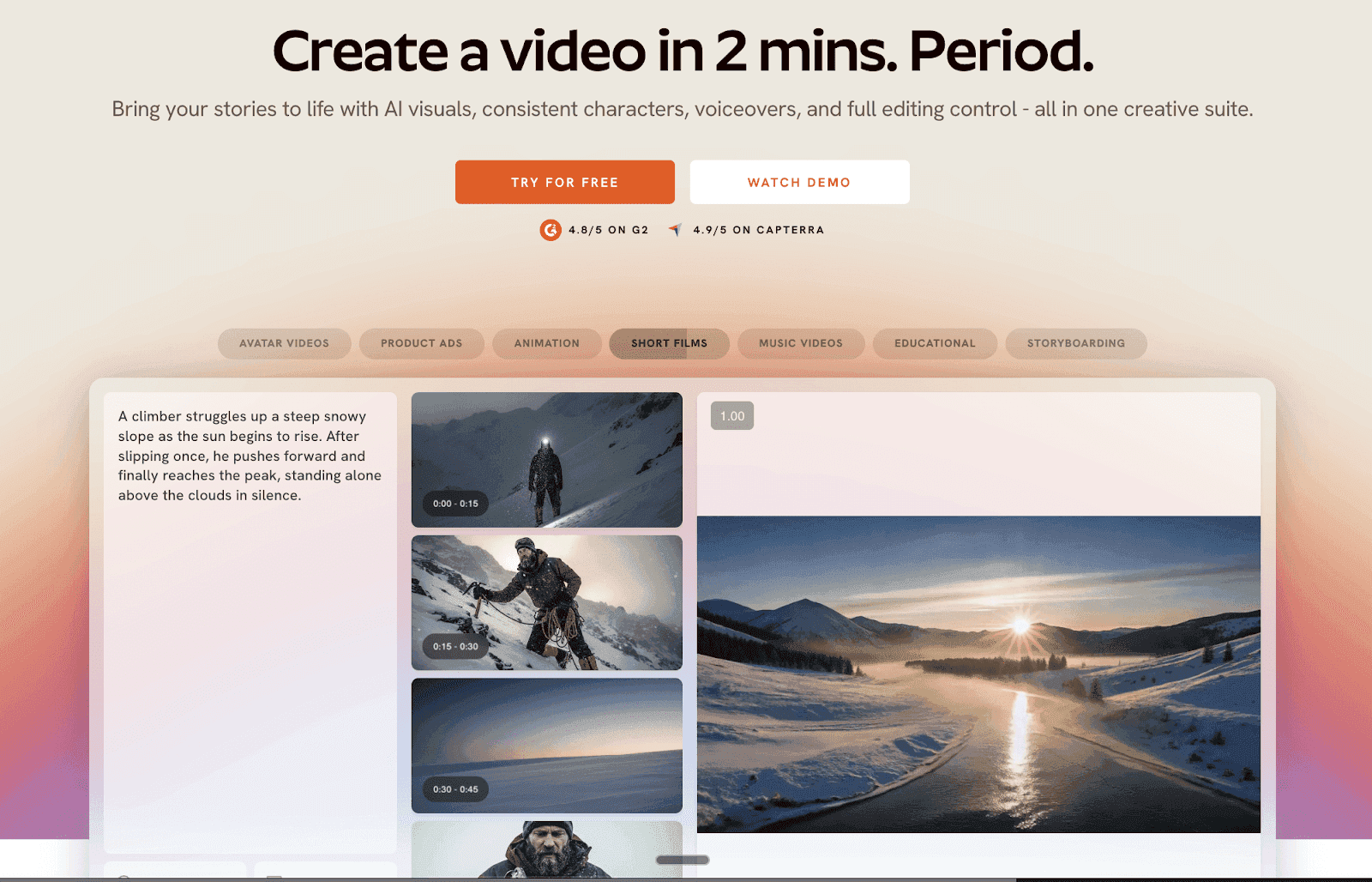
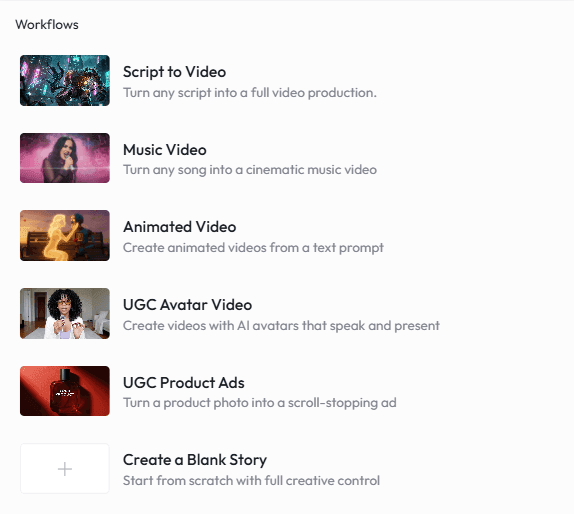
Atlabs supports Avatar Videos, Product Ads, Animation, Short Films, Music Videos, Educational content, and Storyboarding, all within the same workspace. You build out full scenes, arrange them in sequence, adjust visuals frame by frame, add voiceover, burn in captions, and export a finished video, without touching another tool.
Every Scene Is Editable After Generation
This is the fundamental difference for professional workflows. In Runway, the model's output is largely the endpoint. In Atlabs, every generated scene is editable, swap a visual, adjust timing, change the voiceover, reframe for a different platform. When a client asks for a revised CTA or a different product color, you make a targeted edit. You do not start over.
10+ AI Models in One Platform
Instead of being locked into Runway's proprietary model, Atlabs gives you access to Google Veo 3, Kling, Seedance (ByteDance), Nano Banana, Flux Kontext, Hailuo, and more, through a single unified interface. Different scenes get different models based on what each shot demands. No separate subscriptions, no API keys, no incompatible export formats.
Predictable Pricing Without the Credit Math
Runway's credit system requires you to calculate costs per second based on which model you are using, then budget for the fact that unused credits expire monthly. Atlabs offers straightforward plans that let you create without running a spreadsheet to estimate your monthly bill.
💡 Runway is a clip generator. Atlabs is a complete creative studio. For anyone doing serious, repeatable video work, there is no comparison. |
When Should You Choose Atlabs Over Runway?
You produce video content regularly and need a repeatable, editable workflow
You need UGC-style or avatar-driven video for brand and marketing campaigns
You want access to multiple AI models without managing multiple subscriptions
You are creating product ads, short films, or educational content, not just isolated clips
You want a tool that beginners can use in minutes but professionals can push deep
Pricing: Free trial available. Pro plan from ~$15/month (billed annually).
Atlabs AI Verdict: The clearest Runway ML alternative for creators who need a full production workflow, not just generation. Replaces not just Runway but the entire stack around it. |
Start free on Atlabs AI, no credit card required → https://app.atlabs.ai/app |
Best for Cinematic Motion Quality |
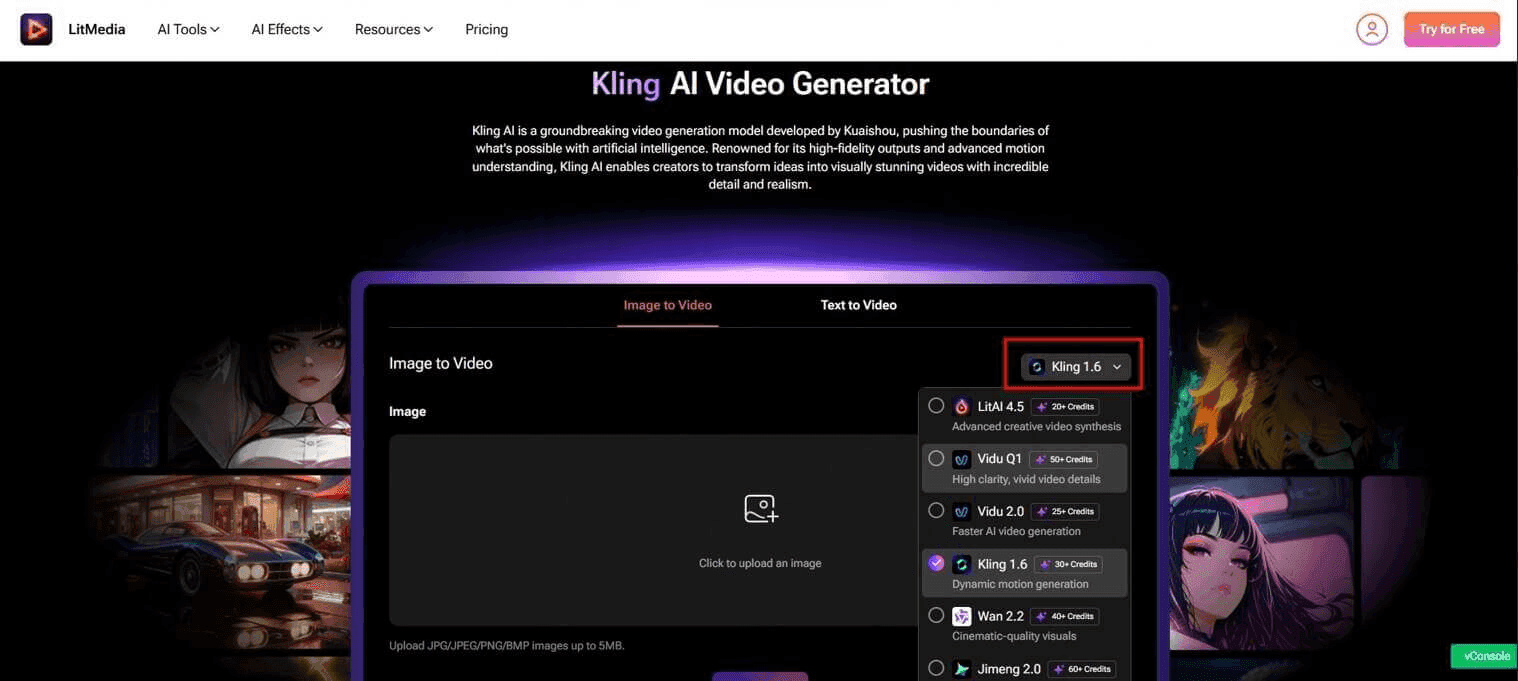
Kling AI has built one of the strongest reputations in the AI video space for one specific thing: motion that feels physically grounded. Where many generators produce clips with subtle wobble or inconsistent object physics, Kling has invested heavily in making movement look believable, particularly in longer sequences beyond the typical 3-to-4-second window that clips most tools.
For creators needing smooth camera moves, realistic object interactions, or cinematic slow-motion product shots, Kling 2.1 and Kling 3.0 Pro are among the strongest options available. Its image-to-video pipeline is particularly reliable, giving product advertisers and brand teams stable, high-quality motion from a single reference frame.
Recent updates have added built-in sound generation and face/object swap functionality, which reduces the need to export to other tools for basic variations. However, Kling still operates as a motion engine rather than a production environment. You get the clip. Everything around it, scripting, voiceover, captions, multi-scene assembly, lives somewhere else.
Best for: Advertisers and filmmakers where cinematic motion quality is the primary metric and clip production is the primary output
Not ideal for: Teams who need to build full video campaigns, branded series, or content at scale without a secondary editing stack
Pricing: Credit-based. Plans from approximately $8/month for Standard. Kling 3.0 Pro on Atlabs gives you access to Kling's best models inside a complete production workflow.
Kling AI Verdict: Best standalone motion engine after Runway. But still a clip generator, not a production platform. Works well inside Atlabs' multi-model workflow for teams who want Kling's quality without building a separate stack. |
3. Pika Best for Fast Visual Concept Testing |
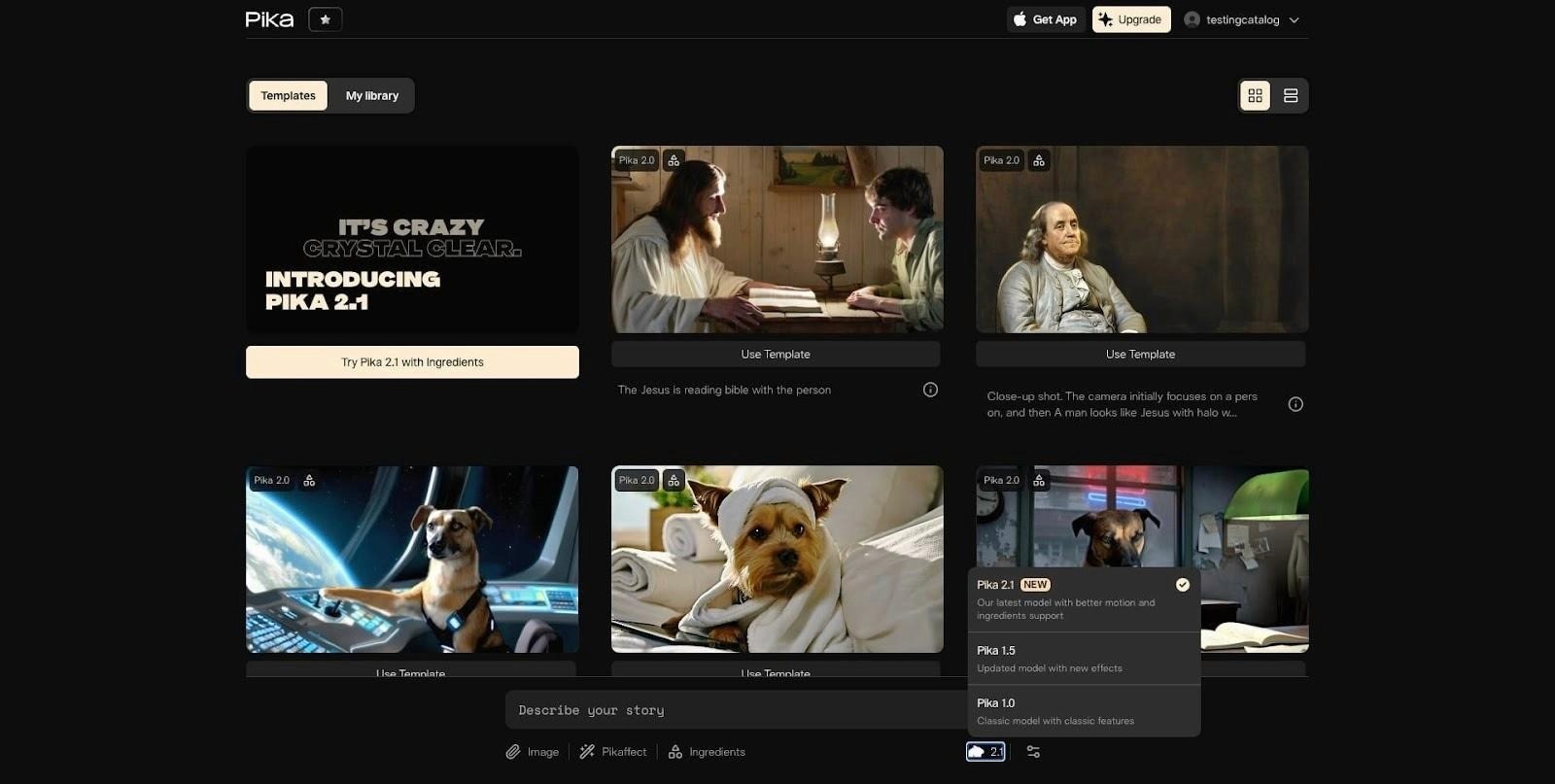
Pika is the fastest path from an idea to a visual test in the current AI video landscape. Its interface is optimized for speed and iteration, enter a prompt, generate a stylized clip quickly, assess whether the visual direction is worth pursuing, and either discard or develop it further.
That speed makes Pika genuinely useful in the early stages of a campaign or content series, when you are still exploring directions and do not want to invest production time in a specific approach. Social creators who experiment heavily with different hooks, aesthetics, and visual formats will find it an efficient companion for concept validation.
The limitations become relevant once you move past ideation. Pika is not set up for multi-scene assembly, consistent character appearance, voiceover integration, or final campaign delivery. Most Pika clips require significant additional editing before they are ready to publish professionally. It works best as a first step before moving into a complete platform.
Best for: Social creators and marketers testing visual concepts quickly before committing production budget
Not ideal for: Building finished video assets, brand campaigns, or any content that needs to look like a polished production
Pricing: Free tier available. Paid plans from ~$8/month. Generation quality and style control limited compared to Atlabs or Kling.
Pika Verdict: An efficient ideation tool. Not a production tool. Best used as a concept-testing step before bringing the winning direction into Atlabs for full execution. |
Best for Single Cinematic Hero Shots |
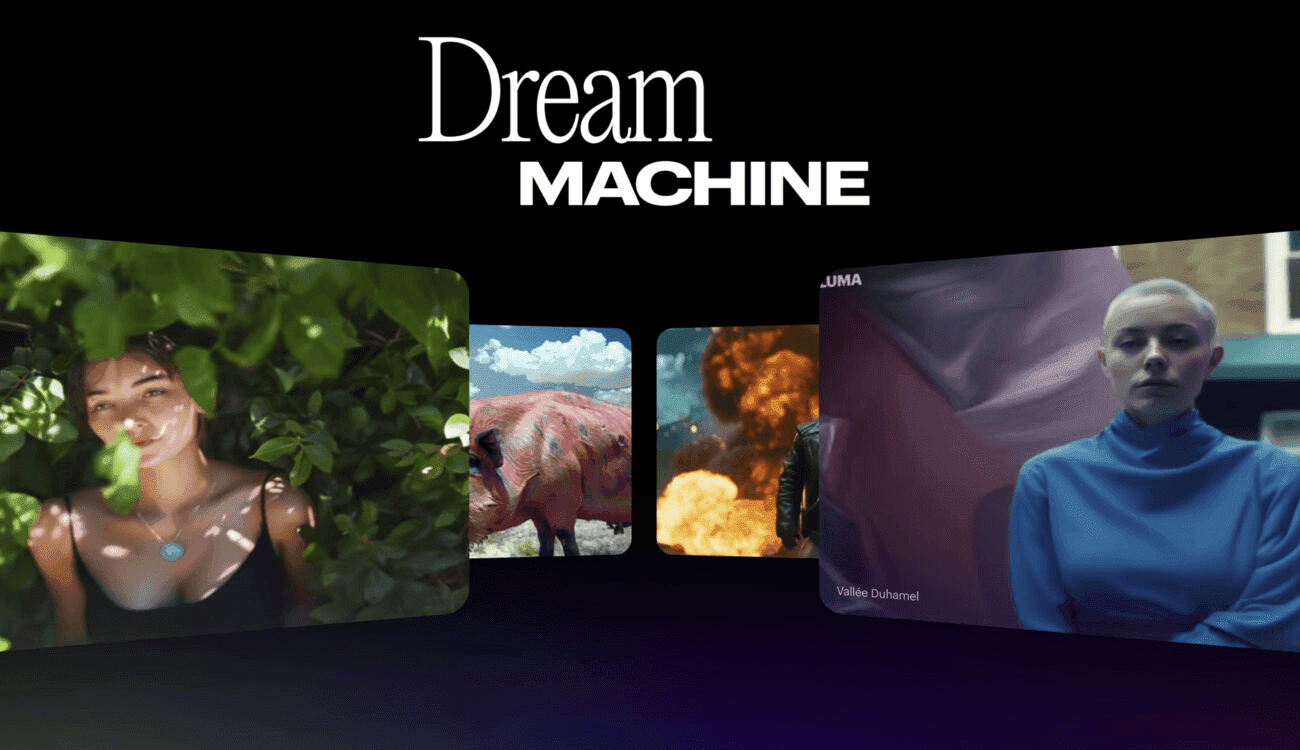
Luma's Dream Machine occupies a genuinely unique position in the AI video landscape. It grew out of Luma's expertise in 3D scene reconstruction and spatial understanding, which gives its outputs a distinctive quality, they feel like a real camera moving through a real physical space, rather than a 2D animation playing on a flat surface.
That depth quality makes Dream Machine exceptional for specific use cases: architectural walkthroughs, product reveals, and cinematic establishing shots that need genuine spatial believability. If you are cutting a brand film opener, a premium product reveal for a pitch deck, or a real estate walkthrough, Dream Machine can produce a hero shot quickly at a quality level that rivals traditional production.
The limitations are equally clear. Clips max out at around 5–10 seconds. Fast motion tends to break the scene's physics. There is no dialogue, narration, voiceover, or audio system built in. Dream Machine is a tool for creating individual visual moments of high quality, not for assembling complete projects.
Best for: Brand teams, architects, and filmmakers needing cinematic hero shots with genuine depth and lighting quality
Not ideal for: Any workflow requiring audio, narration, multi-scene editing, or consistent characters across clips
Luma Dream Machine Verdict: The best tool for a single premium cinematic shot. Not a replacement for a production workflow. If you need that depth quality at scale, Atlabs gives you Luma-style outputs alongside everything else in one platform. |
5. InVideo AI Best for Template-Driven Social & Marketing Video |
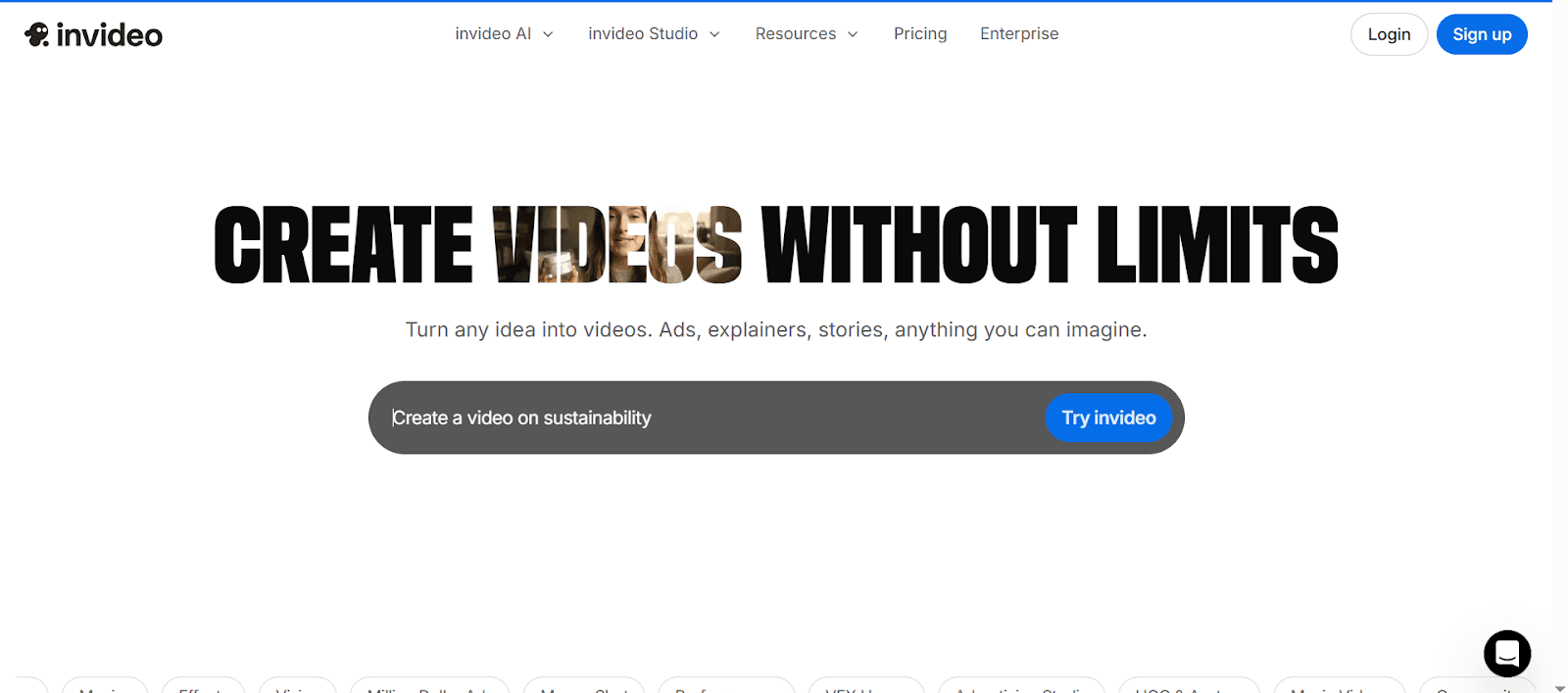
InVideo AI targets a different user than Runway, it is built for non-video-editors who need to produce social and marketing content quickly using guided, template-driven workflows. Its AI takes a topic or script and assembles a video using stock footage, text overlays, and voiceovers with minimal friction.
For content teams or solo marketers who need a fast volume of explainer-style or social media videos without learning video production, InVideo AI removes most of the technical barriers. The output is clean, functional, and fast to produce.
What InVideo AI is not is a generative AI video platform in the same category as Runway, Kling, or Atlabs. It assembles stock footage and templates rather than generating original video from prompts. There are no AI avatars, no cinematic generation, no multi-model access, and limited creative control over the visual output. If you have outgrown templates, you have outgrown InVideo.
Best for: Marketing teams and small businesses who need fast, functional social content without a production learning curve
Not ideal for: Anyone who needs original AI-generated visuals, avatar-driven content, cinematic quality, or brand differentiation through custom video
Pricing: Free tier available. Paid plans from ~$25/month.
InVideo AI Verdict: A fast, beginner-friendly video assembler. Not a Runway alternative in the generative sense, but a useful stepping stone for teams who want guided workflows before moving to a full AI generation platform. |
How to Choose the Right Runway ML Alternative
The right tool depends entirely on your workflow stage and what kind of video work you do most.
Choose Atlabs AI if you are building a regular video output, ads, social series, brand content, educational video, and need one platform that covers scripting, generation, editing, voiceover, captions, and export without handing off to another tool at any stage. It is also the right choice if you need UGC avatars, consistent characters, or multi-model access. For solo creators and small teams building repeatable content pipelines, there is no more complete option.
Choose Kling AI if cinematic motion quality is your primary metric and you are shooting product campaigns or sequences where physical believability matters above everything else. Accept that you will need a separate stack for the rest of the workflow, or access Kling's models inside Atlabs.
Choose Pika if you are still in the concept-testing phase of a campaign and need to rapidly burn through visual directions before committing production time. Treat it as ideation infrastructure, not a production tool.
Choose Luma Dream Machine if you need a single premium cinematic hero shot, a product reveal, architectural walkthrough, or brand film opener, where spatial depth and lighting realism are the priority and the clip is the final deliverable.
Choose InVideo AI if you need guided, template-driven social content quickly and do not yet need original AI generation. When you are ready to move beyond templates, Atlabs is the natural next step.
💡 Bottom line: If Runway ML is a clip generator with an advanced editing layer, Atlabs AI is a complete creative studio. For anyone doing serious, repeatable video work, the difference is the entire production workflow that surrounds the generation. |
Final Verdict
Runway ML works for what it is designed to do: high-quality clip generation with advanced post-production editing for creators who think in timelines and layers. But for anyone building a real video production workflow, a marketing team running paid campaigns, a brand studio producing regular content, an independent creator building a consistent channel, the limitations and the cost structure become friction points that compound over time.
Atlabs AI is the most complete alternative available. It replaces not just Runway but the entire fragmented stack most creators currently use to fill in what Runway cannot do. UGC avatars. Cinematic video generation. Multi-model access. Scene-level editing. Voiceover and captions. All in one platform.
For creators who are serious about video, the choice is clear.
Start creating on Atlabs AI, free trial |