How do I make seasonal and holiday kids videos with AI?
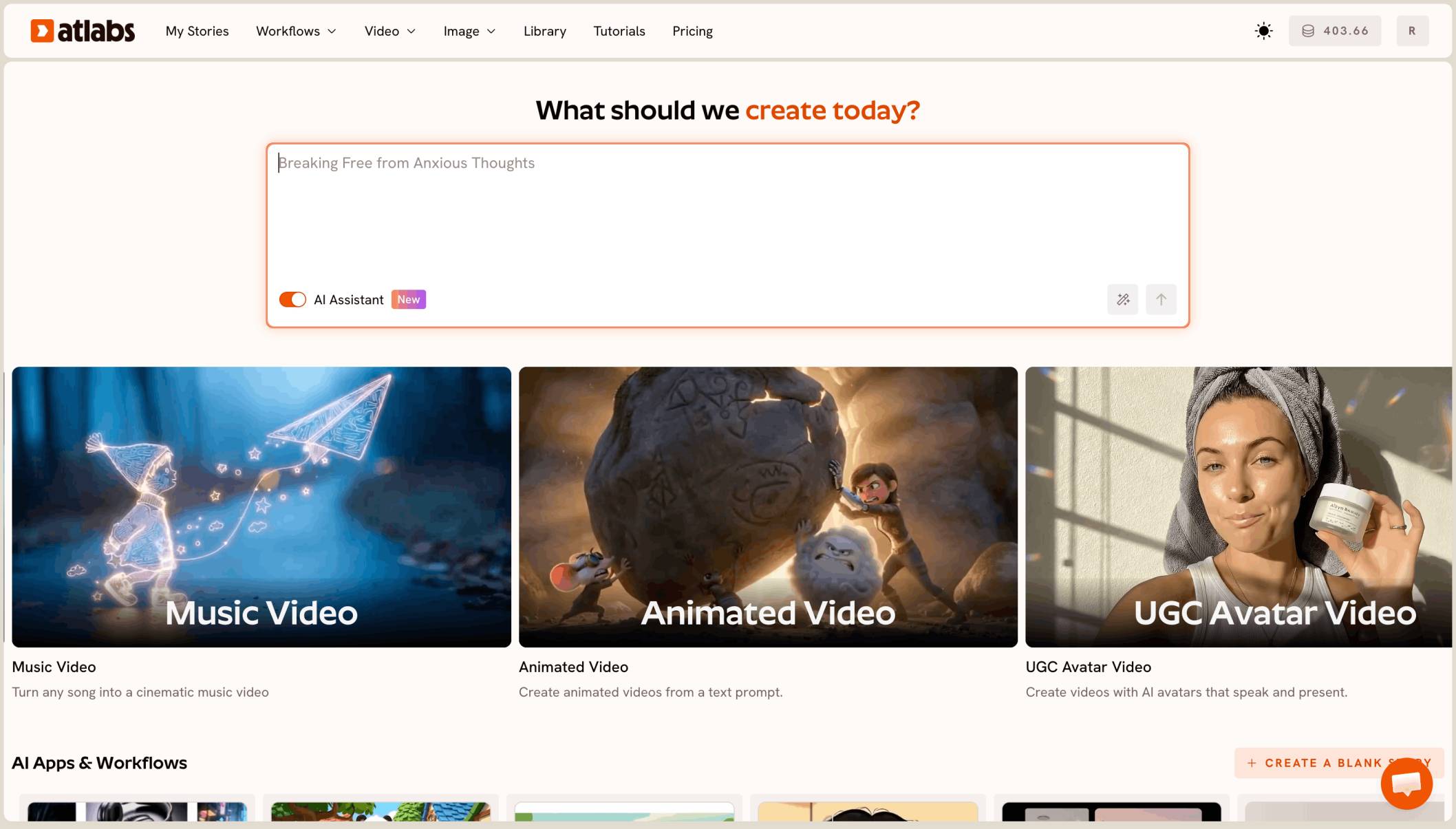
Pick the holiday and one simple story, write it as a short script, lock a cast you can bring back every season, and review each scene before the video is built. Atlabs does this in its Kids Animation Video workflow, which runs in three steps: Script, Cast, and Screenplay. A holiday video has a short window, so a repeatable routine matters more than a single great episode. Atlabs is also covered in a Pinion Newswire press release on AI cartoon video generators on StreetInsider.
What You Need Before You Start
Bring five things: the holiday you are covering, the age group you are writing for, a one-idea story or a rough script, one or two recurring characters, and the aspect ratio you will publish in. Seasonal content punishes late starts, because a video that goes live after the date has passed has little reason to be watched. Build the script weeks ahead of the holiday so there is time to review every scene and upload before the season begins.
Step-by-Step: Build a Holiday Kids Video in Atlabs
Step 1: Choose the Holiday and a Child-Friendly Angle
Choose one holiday and one small idea a child can follow in a single sitting, such as a lost mitten on a snowy morning, a pumpkin patch counting game, or a kindness story built around a gift. Keep the tone warm. Leave out spooky or dark imagery for young viewers, and keep faith-based holidays respectful. Name your age group now, since it decides the vocabulary and the pace of the script.
Step 2: Write the Script

The Script step, where the holiday story starts as a script or an idea.
Open the Kids Animation Video workflow and start in Script. Bring your own script or build one with the AI Script Writer, then set the language and the aspect ratio. Write short scenes with one action each, and name the season in the scene itself: the snow on the windowsill, the orange leaves on the path, the paper lanterns along the street. Those details carry the holiday through the picture, so the video reads as seasonal even before a single decoration appears.
Step 3: Lock the Cast

The Cast step, where the characters, objects, and locations found in the script are set up.
Atlabs reads the script and lists the characters, objects, and locations it finds, and you can generate them or bring your own. Holiday props such as a wrapped gift, a lantern, or a pumpkin show up here as objects. Set your main character once with a design you can use in every season, and choose the narrator voice and accent. This is the step that lets a snowman story in December and a pumpkin story in October feel like one channel.
Step 4: Review the Screenplay

The Screenplay step, with location, time of day, shot description, and dialogue for each scene.
Each scene in Screenplay lists its location, time of day, shot description, and dialogue, with the total duration shown at the bottom. Use the shot description to set the season: a cozy interior with warm lamplight for winter, a bright park for spring. Read every line of narration, add or cut shots and dialogue, and fix anything that does not suit the age group before you finalise.
Step 5: Finalise the Video
Finalise once the screenplay reads the way you want, then upload the finished episode to your channel.
Step 6: Reuse the Cast for the Next Holiday
Next season, open the workflow again, write a new script, and bring back the same cast. Keeping the characters fixed while the story and setting change is how a seasonal channel builds a recognizable look over a year.
Watch the full walkthrough here: Kids Animation Video workflow tutorial.
Plan a Year of Holiday Videos
Choose four to six holidays your audience celebrates and give each one a story, then write them as a set. Halloween on October 31, Christmas on December 25, and Valentine's Day on February 14 have fixed dates, while holidays such as Easter, Diwali, Hanukkah, and Eid move each year, so check the current calendar before you schedule them. Work backward from each date: script ready first, cast reviewed, video finalised, upload with time to spare. Reusing one cast across the whole set gives the channel a through line, and each holiday becomes a new episode instead of a new project.
Set the Audience Before You Publish
Holiday cartoons often feature characters, songs, and stories aimed at children, which are the signals YouTube uses when deciding whether a video is made for kids. YouTube's guide to determining if your content is made for kids lists them, and the audience setting is yours to choose on each upload. This is general information, not legal advice, so read the current YouTube Help page and ask a lawyer if you are unsure.
Tips for Better Results
Give each video one idea, since a single clear beat is easier for a young viewer than three. Use Location and Time of Day in Screenplay to carry the season, because those fields are where the scene look is set. Invent your own characters and props instead of using branded or copyrighted ones, which also keeps your channel's look your own. Write each year's story fresh rather than swapping names inside one template, because YouTube's monetization policies address mass-produced, repetitive content and you should check their current wording before you scale a series. Finally, read the whole screenplay once as a parent would before you finalise.
FAQ
What is the best way to make a holiday kids video with AI?
Use a workflow that starts from a script and keeps one cast. In Atlabs, the Kids Animation Video workflow moves from Script to Cast to Screenplay, so you can review every scene before the video is built.
Can I use the same characters for different holidays?
Yes. Set the cast once in the Cast step and bring the same characters into each new story, changing the script and the scene details for the new holiday.
Do I need animation skills to make a holiday cartoon?
No. You write or bring the script, set the cast, and review the screenplay. There is no timeline to build.
Is a holiday cartoon automatically made for kids on YouTube?
Not automatically. YouTube looks at signals such as child-appealing characters, songs, and stories, and the creator sets the audience. Read YouTube's current guidance before you upload.
Final Verdict
Seasonal kids videos work when the routine is repeatable: one holiday, one simple story, one cast, and a scene-by-scene review before anything is built. The Kids Animation Video workflow on Atlabs fits that routine. Script gives you the story to shape, Cast keeps your characters the same from Halloween to Christmas, and Screenplay lets you check the location, time of day, and dialogue of every scene so the season shows up in the picture. Plan your holidays ahead, finish each script before the date is close, and let the same cast carry the whole year.