How do I make AI kids videos that follow YouTube's made-for-kids guidelines?
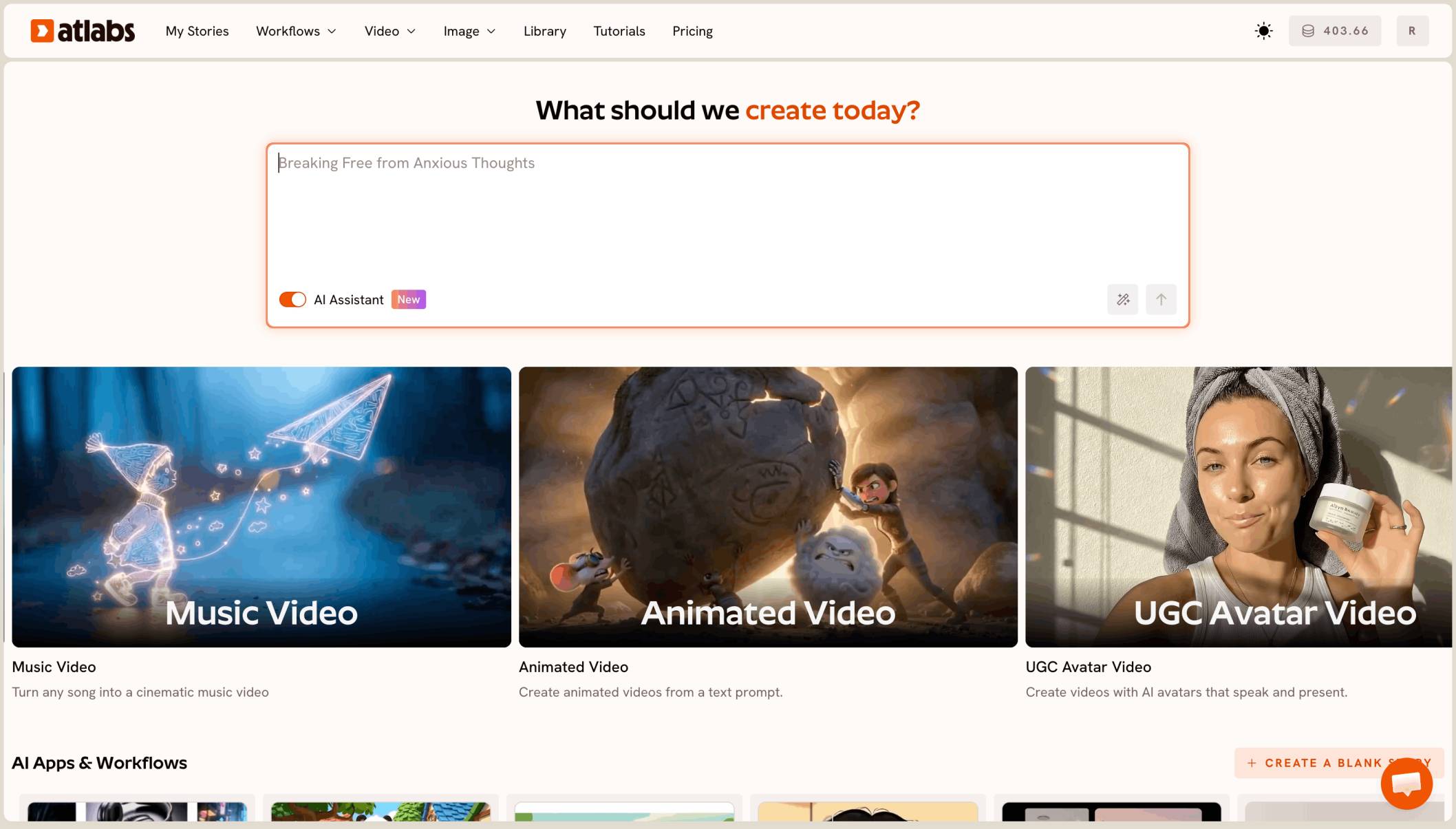
Decide who the video is for before you write a word, build every scene to suit that audience, and then set the audience yourself in YouTube Studio. Atlabs handles the build in its Kids Animation Video workflow, which runs in three steps, Script, Cast, and Screenplay, so you can read the dialogue, check the characters, and review every scene before the video is finalised. The audience setting and the legal side stay with you, because YouTube puts that responsibility on the creator. Atlabs is also covered in a syndicated Pinion Newswire press roundup of AI cartoon video generators on StreetInsider.
This post is general information, not legal advice. YouTube's rules and your COPPA obligations depend on your content and where you operate. Read the current YouTube Help pages linked below, and ask a lawyer if you are unsure.
What "Made for Kids" Means on YouTube
YouTube bases the label on the FTC's child-directed standard under COPPA. In the US a child is anyone under 13, and the label covers videos made mainly for children as well as mixed-audience videos where children are a target. YouTube's guide to determining if your content is made for kids lists the signals it looks at: subject matter such as early education, child actors, characters or cartoon figures that appeal to children, language children can follow, play and simple games, songs, stories and poems for children, and any other evidence of who actually watches.
Some things do not make a video made for kids on their own. Family friendly content, a topic traditionally associated with children, and content children might see by accident are all listed as not automatic. YouTube's made for kids FAQ gives animated content that appeals to everyone as an example of general audience content. So a cartoon is not made for kids just because it is a cartoon, while a cartoon where a friendly cast sings a counting song to toddlers very likely is.
The decision is yours. YouTube's guidance says plainly, "Do not rely on our systems to set your audience for you." The FAQ adds that YouTube overrides your setting only in cases of error or abuse, and a wrong setting can carry consequences on YouTube and under COPPA or other laws.
What You Need Before You Start
Bring four things: a clear decision on the audience, a script written for that audience, a rough list of the characters and locations, and a plan for the settings you will choose in YouTube Studio. The audience decision comes first because it shapes the script, and the script is the cheapest place to fix a problem.
Step-by-Step: Build and Publish a Made-for-Kids Episode
Step 1: Decide the Audience
Go through YouTube's signals for this specific episode. If the story, characters, language, and songs are aimed at children, plan to set it as made for kids. If the episode is meant for everyone, plan to set it as not made for kids, and remember that a mixed audience counts when children are a target. Write the decision down before scripting, and if the call is close, YouTube points creators to legal counsel rather than a guess.
Step 2: Write the Script

The Script step, where the episode starts as a script or an idea.
Open the Kids Animation Video workflow and start in Script. Bring a finished script or build one with the AI Script Writer, then choose the language and the aspect ratio. Write in words a child can follow, keep the themes gentle, and leave out sexual, violent, or other mature content, which YouTube treats as a sign a video is not made for kids. Also leave out lines like "comment below" and "ring the bell," because those features are switched off on made-for-kids videos, as covered below.
Step 3: Lock the Cast

The Cast step, where the characters, objects, and locations found in the script are set up.
Atlabs reads your script and lists the characters, objects, and locations it finds, and you can generate them or bring your own. Check each character against your audience decision, since friendly designs and a consistent look are part of what tells a young viewer and YouTube who the video is for. Choose the narrator voice and accent here too. A cast you set once carries through every scene of the story and into the next episode.
Step 4: Review the Screenplay

The Screenplay step, with location, shot description, dialogue, and total duration for each scene.
Treat Screenplay as your compliance read. Each scene shows its location, time of day, shot description, and dialogue, with the total duration at the bottom. Read every shot and every line of narration as if a parent were watching, and add, edit, or cut shots and dialogue until each scene fits the audience you chose. A problem found here is fixed before the video is built.
Step 5: Finalise the Video
Finalise once the screenplay passes your read, then export the finished episode and upload it to your channel.
Step 6: Set the Audience and Answer the AI Question in YouTube Studio
Set the audience for every upload. During upload, scroll to Audience on the Basic info tab and choose "Yes, it's Made for Kids" or "No, it's not Made for Kids." For videos already live, open Content, select them, and use Edit, then Audience. At channel level, go to Settings, then Channel, then Advanced settings, and choose from three options: made for kids, not made for kids, or review every video. A video-level choice overrides the channel setting, so a channel that mixes both types should use the review option.
Then answer YouTube's altered or synthetic content question. Per YouTube's disclosure guidance, disclosure applies to realistic content that could be mistaken for real, and fantastical or fully animated scenes are listed as not requiring it. A clearly animated cartoon is on the exempt side. If you mix in realistic footage or a realistic likeness of a real person, disclose it.
Watch the full walkthrough here:
What Changes Once a Video Is Made for Kids
YouTube limits features on made-for-kids content because they rely on user data. According to YouTube's audience settings page, a video set as made for kids loses comments, the notification bell, cards and end screens, personalized advertising, and save to playlist, along with memberships, merchandise, and live chat features. A channel set as made for kids also loses Posts. Plan the script and the ending around that: no call to comment, no pointing at an end screen that will not appear.
Tips for Better Results
Set the audience per video instead of trusting the channel default, since a single mixed channel is where mistakes happen. YouTube says Analytics is not designed to decide the audience, so decide from the content itself. Keep one review checklist for Screenplay, covering language, themes, and calls to action, and use it on every episode. Give each episode its own script and scenes rather than swapping names inside one template, because YouTube's monetization policies address mass-produced, repetitive content and you should check their current wording before you scale a series. Finally, re-read the linked Help pages every few months, since the rules and the Studio menus change.
FAQ
Is every animated video on YouTube made for kids?
No. YouTube lists animated content that appeals to everyone as general audience content. A video is made for kids when it is directed at children through its characters, language, activities, songs, or stories.
Do I have to label an AI cartoon as AI-generated?
YouTube requires disclosure for realistic content that could be mistaken for real, and lists fantastical and fully animated scenes as not requiring it. A clearly animated kids cartoon is on the exempt side, but if you add realistic footage or a realistic likeness, disclose it.
Who is responsible if I set the wrong audience?
You are. YouTube relies on creators to set the audience, overrides it only in cases of error or abuse, and notes that a wrong setting can carry legal consequences under COPPA or other laws.
Does building a video in Atlabs make it compliant?
No. Atlabs builds the video, and the Screenplay step lets you review each scene before you finalise. The audience setting, the AI disclosure answer, and legal compliance are your decisions on YouTube.
Final Verdict
Passing YouTube's made-for-kids guidelines comes down to a decision made early and a review done carefully. Decide the audience from YouTube's own signals, write the script for that audience, read every scene before it exists, and set the audience in Studio on each upload. The Kids Animation Video workflow on Atlabs fits that routine: Script gives you the words to check, Cast sets the characters once, and Screenplay lets you read each shot and line of dialogue before you finalise. The responsibility for the label stays with you, so keep a checklist and treat YouTube's Help pages as the source of truth.