Motion control in AI videos breaks in predictable ways. A character warps, limbs stretch, the movement jitters, or the reference motion never maps onto your image at all. The fix is to run your character image and a clean reference clip through Atlabs Motion Control, pick the model that matches your movement, and clean the result with a few finishing apps. This guide walks through every fix in order, so your character moves the way you pictured, without filming and without frame by frame animation.
What breaks motion control in AI videos
Most motion control problems trace back to three inputs: the character image, the reference video, and the model doing the work. A busy or low resolution character image gives the model too little to hold onto, so faces smear and outfits shift from frame to frame. A shaky reference clip with fast cuts or several people confuses the motion mapping, which shows up as jitter or a character that seems to float. And the wrong model for the movement produces stiff or rubbery results, because every model reads motion differently. Fixing motion control is mostly about feeding cleaner inputs and matching the model to the kind of movement you want. The good news is that all three are things you control before you ever click generate, so a fix is usually one better input away rather than a limitation of the tool.
What you'll need
You need three things before you start. An Atlabs account, one clean character image with the full body or the region you want moved kept in frame, and a short reference video that shows the exact motion you want mapped onto that character. Set aside about ten minutes. No editing suite, no rigging, and no frame by frame drawing are required, because Motion Control handles the mapping for you.
Fix motion control step-by-step
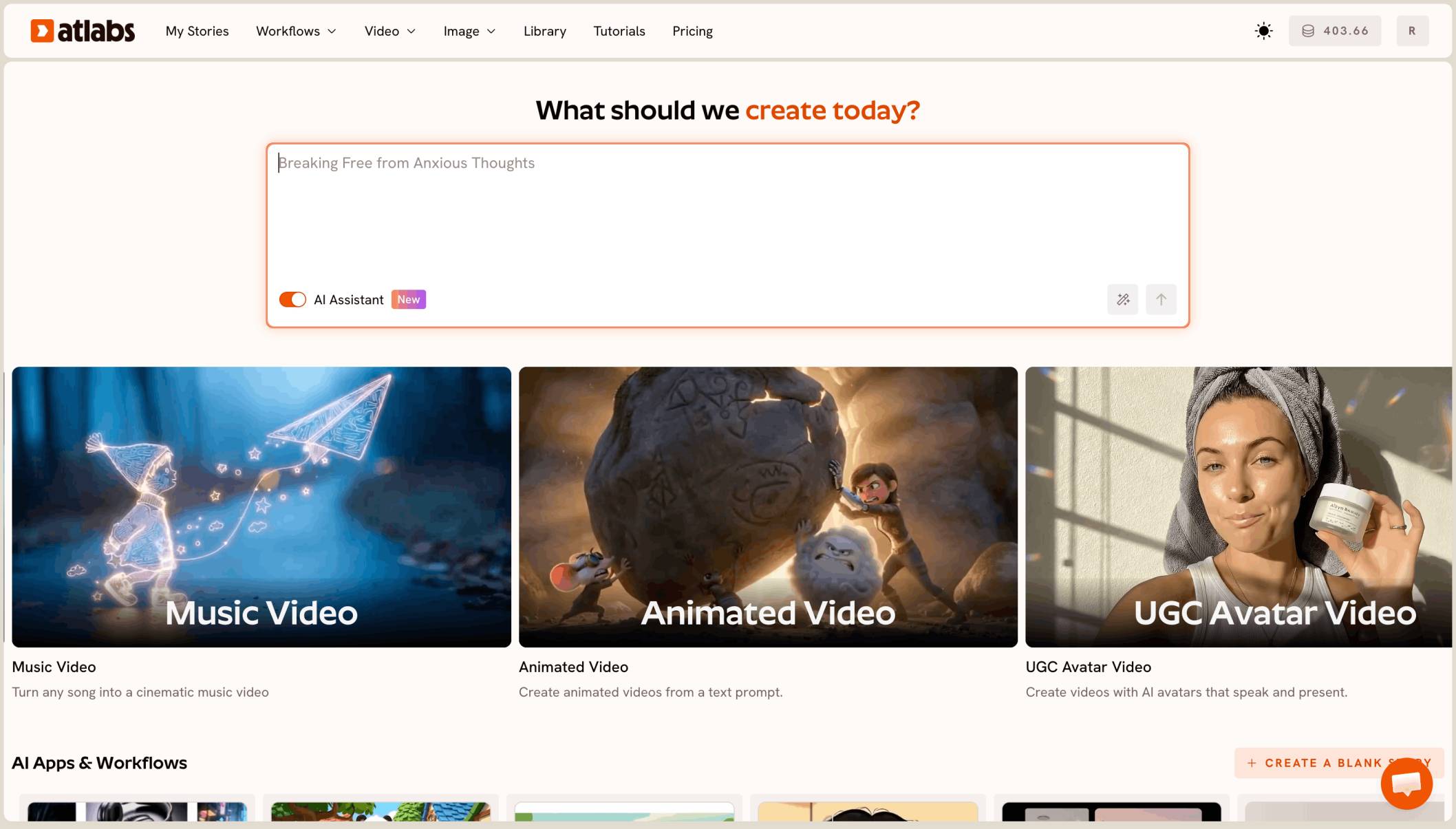
Work through these steps in order. Each one removes a common failure point, so by the end the transferred motion looks stable and on model. The screenshots mark where each action happens inside the Motion Control app.

Open the Motion Control app from the Atlabs dashboard and start a new project.
Upload your character image. Use a clean, high resolution still where the character faces the camera and the limbs are fully visible, since cropped or blurry stills are the top cause of warping.
Upload your reference video. Pick a clip with one subject, steady framing, and the full movement in shot, because extra people or hard cuts are what create jitter and floating.
Pick the model that matches your movement. Choose Kling 3.0 for smooth, realistic body motion, Hailuo 2.3 for fast, high energy movement, and Seedance 2.0 for stylized or anime style characters.
Set the aspect ratio to match your platform, 9:16 for TikTok and Instagram, 16:9 for YouTube, or 1:1 for feed posts, so the character is not cropped at the edges.
Generate the motion, then review the preview for warping, drift, or off timing before you commit to the full render.
▶ Watch
Fix the leftover glitches
Even a good motion pass leaves small artifacts, and each has a quick fix. If the face drifts or the mouth looks off during singing or dialogue, run the clip through Lip Sync to lock the mouth to your audio. If the whole shot looks soft or low resolution after the transfer, send it to Upscale to sharpen edges and detail. If the character sits wrong in frame for a second platform, use Reframe to refit the shot to a new aspect ratio without cutting off the action. And if you only have a still and want gentle ambient movement rather than a full motion transfer, Image to Video adds subtle life to the frame using Google Veo 3.1. Run these in the order the shot needs them, and stack only the ones that apply, since piling on every app can soften a clip that was already clean.
Tips for better results
A few habits keep motion control clean from the first try. Match the model to the motion instead of defaulting to one, because Kling 3.0 holds realistic body movement steadier while Hailuo 2.3 keeps fast dance energetic and fluid. Frame your character image so the moving parts are fully visible, since a hand or foot cut off at the edge is where warping starts. Keep the reference clip short and single subject, around five to fifteen seconds, so the model maps one clear motion rather than guessing between several. Source the reference at a similar angle to your character image, because a front facing character paired with a side facing reference forces the model to invent the missing view. And always review the preview before the full render, so you catch drift early instead of after a long generation.
Example prompts to guide the motion
When the app lets you describe the motion, a short, specific prompt steadies the result. Copy either block, swap in your own details, and paste it into the Motion Control description field.
A confident performer steps forward and sways in time with a slow beat, shoulders relaxed, arms moving naturally, camera steady, motion matched to the reference clip, character stays on model with no warping.
An animated character does an energetic full body dance, bouncy timing, exaggerated arm swings, feet landing cleanly on each beat, smooth transfer from the reference video, consistent face and outfit across every frame.
FAQ
Why does my AI character warp or morph during motion control?
Warping almost always comes from a weak input image or a busy reference clip. Use a clean, high resolution character still with the full body in frame, and a reference video with a single subject and steady framing. Cleaner inputs give the model enough to hold the character on model.
How long does it take to fix motion control in Atlabs?
Most fixes take under ten minutes. Preparing a clean image and reference clip is the slow part, and the generation itself runs in a few minutes. Reviewing the preview before the full render saves you from waiting on a bad pass.
What files can I upload to Motion Control?
You upload a standard image file for the character and a short video file for the reference motion. Keep the reference clip short and focused on one subject so the motion maps cleanly onto your character.
Do I need animation skills to use motion control?
No. Motion Control maps movement from your reference video onto your character image for you, so there is no rigging, no keyframing, and no frame by frame drawing. If you can upload an image and a clip, you can produce a moving character.
Get started
Motion control stops fighting you the moment your inputs are clean and your model fits the movement. Open the app, upload your character and a reference clip, and watch the fix take effect.