A use-case-first breakdown for creators who are already generating AI video and need to stop wasting credits on the wrong tool.
Try Both Models Inside Atlabs Today [Free to Start]
You have probably already tried one of them. Maybe both. You ran a few prompts, got some great shots, got some terrible ones, and now you are trying to figure out which model to commit to for your actual production workflow.
Here is the thing: Kling 3.0 and Seedance 2.0 are not interchangeable. They were built with fundamentally different philosophies, and choosing the wrong one for your use case means wasted credits and reshoots.
This guide does not declare a winner. It maps each model to the work it actually wins at, so you can stop guessing and start generating the right way.
Quick Decision: Pick Your Use Case
If you are in a hurry, start here. Find your use case and go.
Your Use Case | Reach for | Why |
Product ads with exact brand colors and logos | Seedance 2.0 | Identity Lock holds visuals across frames with high fidelity |
Short-form social content at high volume | Kling 3.0 | Faster render speed, lower entry cost, strong motion energy |
Music video or beat-synced content | Seedance 2.0 | Dual-branch audio sync locks visuals to the audio waveform |
Action sequences, sports, or kinetic promos | Kling 3.0 | Mass-Aware physics engine produces convincing momentum |
Character series with the same face across episodes | Kling 3.0 | Subject Consistency 3.0 locks character appearance reliably |
Narrative micro-dramas and scripted short films | Seedance 2.0 | Multi-shot cinematic continuity and environment lock |
Rapid prototyping or storyboard testing | Kling 3.0 | Responds well to conversational prompts, no reference files needed |
Multilingual UGC-style content with dialogue | Seedance 2.0 | Lip-sync precision is measurably stronger |
Run Your First Generation Free on Atlabs
The Core Philosophy Difference (And Why It Matters)
Understanding why these models feel different in practice comes down to one sentence each.
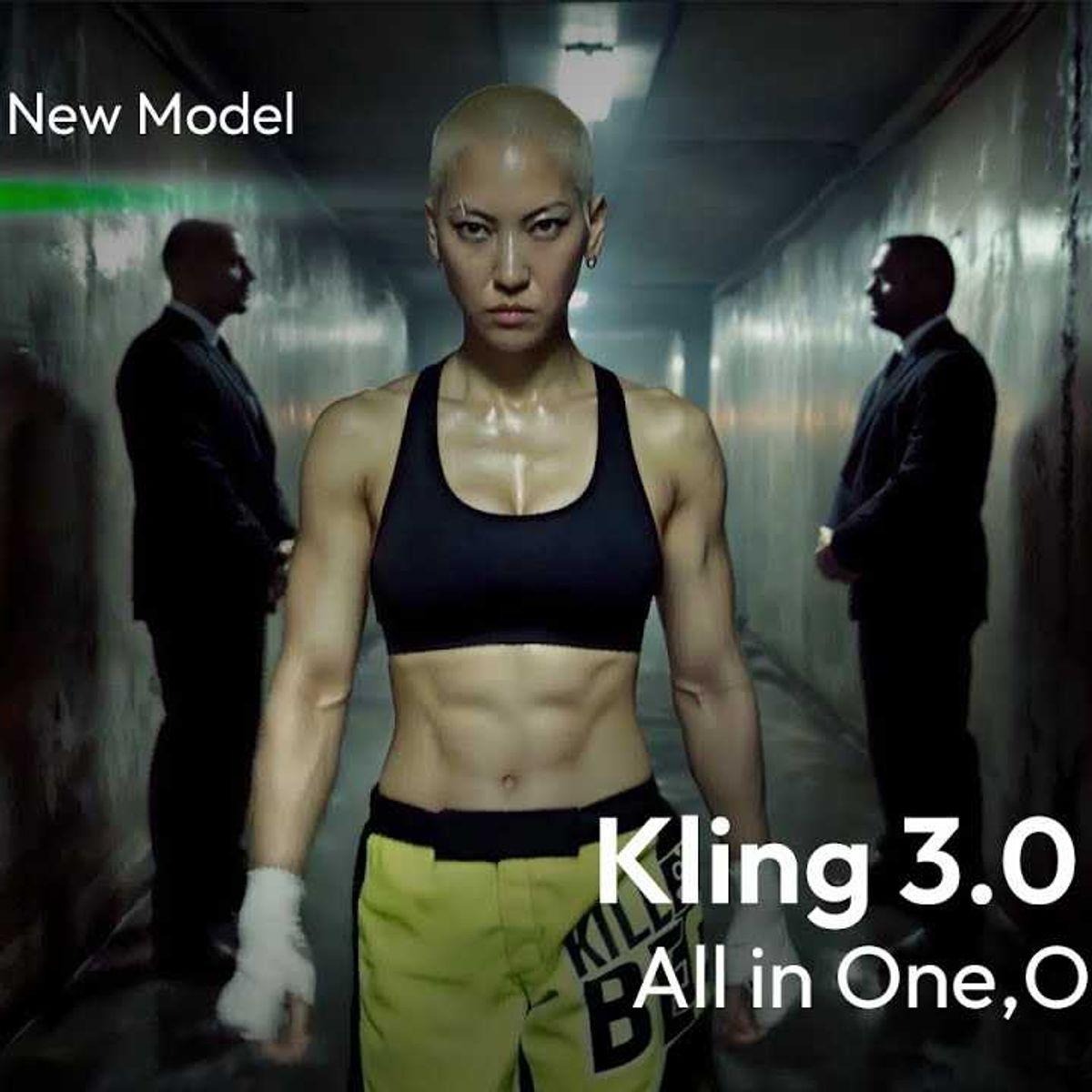
Kling 3.0 thinks like a physicist. It is built around a Mass-Aware Diffusion Transformer that models how things actually move in the world: how a body transfers momentum when running, how fabric drapes under gravity, how water flows. Kling does not care about your brand brief. It cares about whether the physics make sense.
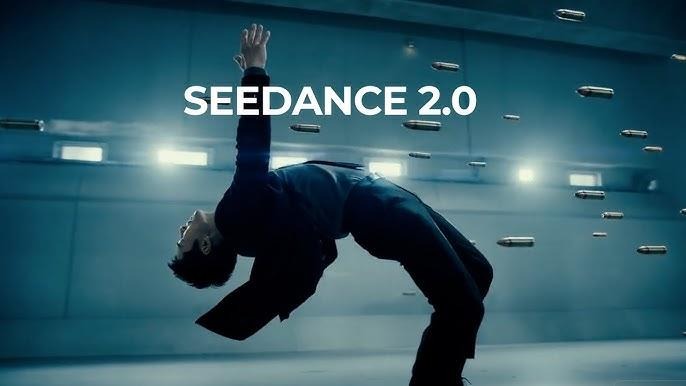
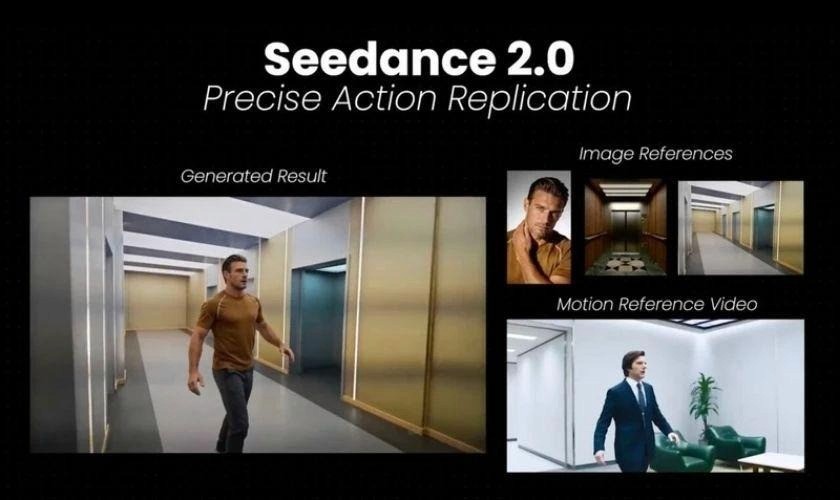
Seedance 2.0 thinks like a director. Built by ByteDance, it treats a generation like a controlled production. You can feed it up to 12 reference files simultaneously: a character photo, a camera reference video, a color palette, an audio track. It synthesizes those inputs and produces output that conforms to your creative brief with precision.
That difference shows up the moment you start working. Kling rewards prompt instinct. Seedance rewards production planning.
Head-to-Head: 7 Dimensions That Matter in Real Production
1. Motion Quality
Kling 3.0 is the benchmark here. In action-heavy scenes, running characters maintain forward energy. Fluid elements like water and fire behave with physical plausibility. Two characters shaking hands do not meld into each other.
Seedance 2.0 produces smooth motion but prioritizes temporal consistency over kinetic punch. Its motion feels deliberate and cinematic. When you need sheer physical spectacle, Kling moves better.
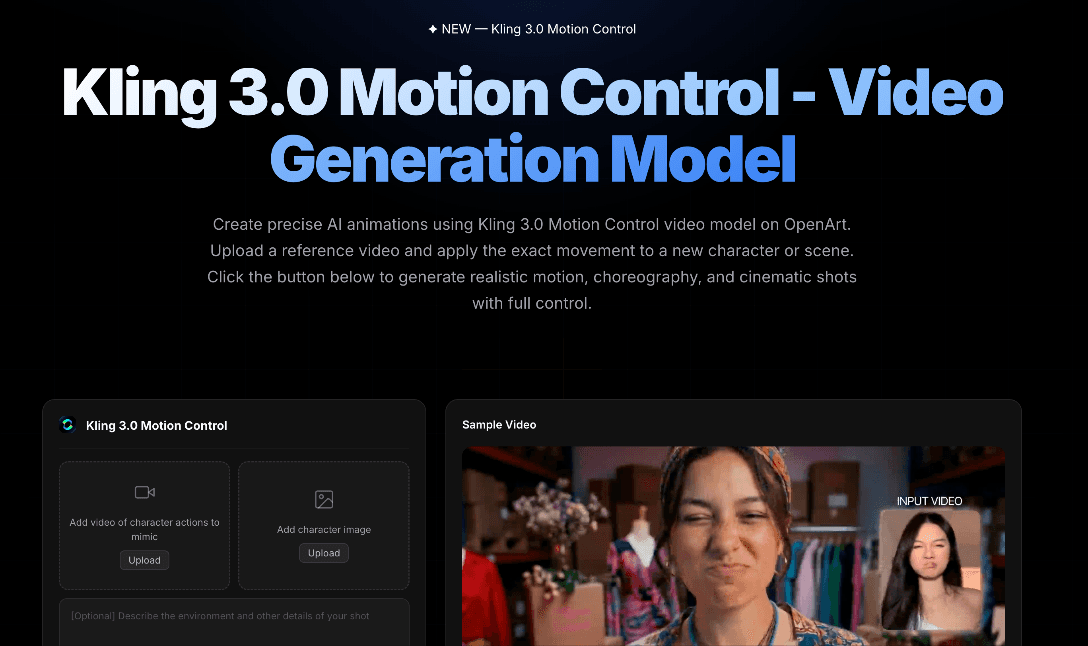
Motion Quality | Winner: Kling 3.0 | Mass-Aware physics produces kinetically convincing results in action and fluid scenes |
2. Character and Subject Consistency
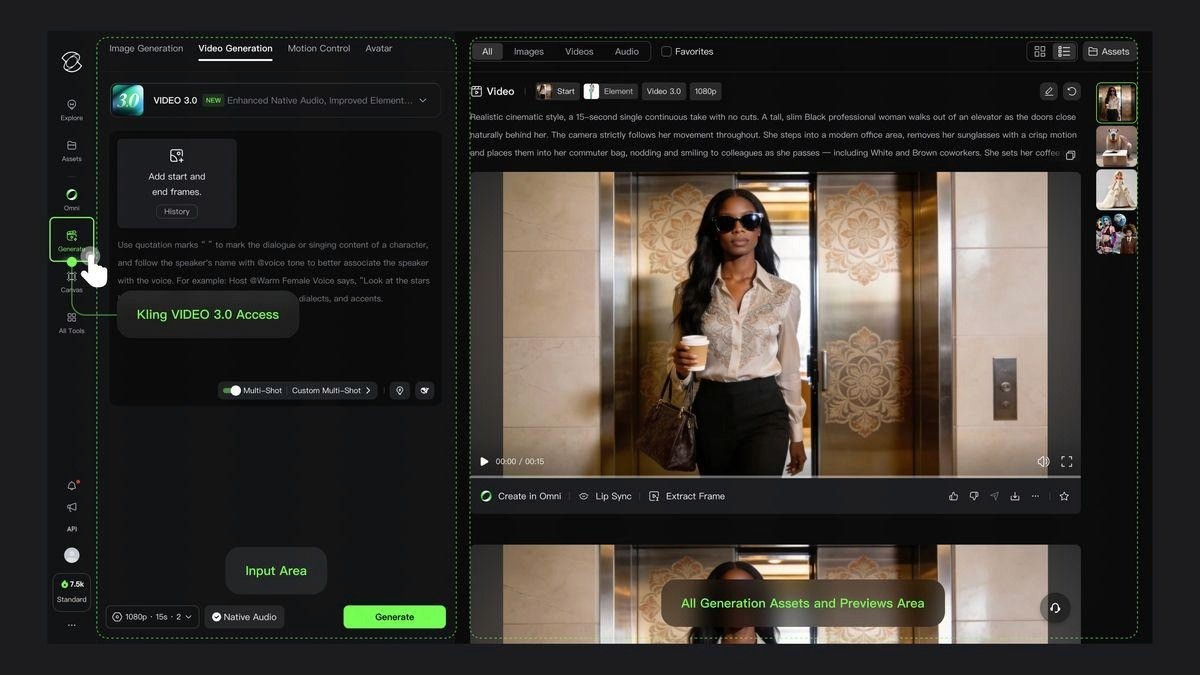
This is where the comparison gets nuanced. Seedance 2.0's Identity Lock, using the @Character reference tag, holds facial geometry and wardrobe details across cuts with a reported 95% consistency rate. It is the stronger choice when brand identity or a specific person's face must never drift.
Kling 3.0's Subject Consistency 3.0 uses a 3 to 8 second reference clip to lock a subject's appearance. It is more practical for character-based content series since it does not require managing a library of reference files. In simpler multi-shot sequences with one or two recurring characters, Kling holds up reliably.

Character Consistency | Winner: Depends on use case | Seedance for brand-exact identity; Kling for character-based narrative series |
3. Input Control and Reference System
Seedance 2.0 wins this category with no close second. Its 12-file Multimodal Reference System accepts character photos, camera trajectory videos, audio tracks, color palettes, and style references simultaneously. If you need the AI to conform to a creative brief rather than interpret one, Seedance is the only viable option at this level of control.
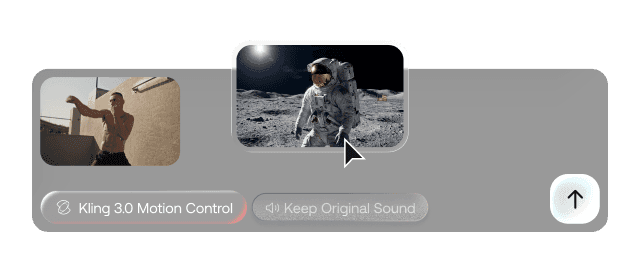
Kling 3.0 works well from text prompts and a Motion Brush feature that lets you paint motion paths onto a source image. It does not require reference files, which makes it significantly faster to start but less precise when adherence to a specific visual identity is critical.
Input Control | Winner: Seedance 2.0 | 12-file multimodal reference system is unmatched for production-grade brief adherence |
4. Audio-Visual Sync
Seedance 2.0 uses a dual-branch audio sync system that aligns visuals to specific audio waveform peaks. For music videos, dialogue scenes, and any content where a character needs to lip-sync to a specific track, Seedance is the clear choice.
Kling 3.0 handles atmospheric and environmental audio better. If you need generated ambient sound that matches the scene's physical texture, Kling produces more convincing foley-style audio. For beat-locked content, Seedance handles it more reliably.
Audio-Visual Sync | Winner: Seedance 2.0 | Dual-branch sync locks visuals to audio beats precisely; Kling better for ambient audio |
5. Output Resolution and Visual Quality
Kling 3.0's Omni variants push to 4K HDR. The frame-level detail holds up on broadcast and large-format displays. Standard Kling 3.0 outputs at 1080p with sharp, high-contrast visuals that perform well on mobile-first content.
Seedance 2.0 produces native 2K output. The lighting, color grading, and cinematic framing are stronger for slow, deliberate scenes. On a phone screen both models look excellent. On a monitor or projected display, Kling's 4K ceiling gives it an edge for premium outputs.
Peak Output Quality | Winner: Kling 3.0 (Omni) | 4K HDR ceiling; Seedance 2.0 wins on cinematic color grading at standard resolutions |
6. Render Speed
Kling 3.0 renders a 5-second 1080p preview in under 60 seconds in most conditions. For high-volume daily content workflows, this speed compounds. Teams producing 10 to 20 pieces of content per day feel this difference acutely.
Seedance 2.0 takes longer because it is processing multiple multimodal inputs simultaneously. Typical generation time is 1.5 to 3 minutes for a standard clip. The trade-off is a more predictable output that requires fewer regenerations.
Render Speed | Winner: Kling 3.0 | Under 60 seconds per clip; Seedance processes multimodal inputs which extends generation time |
7. Pricing
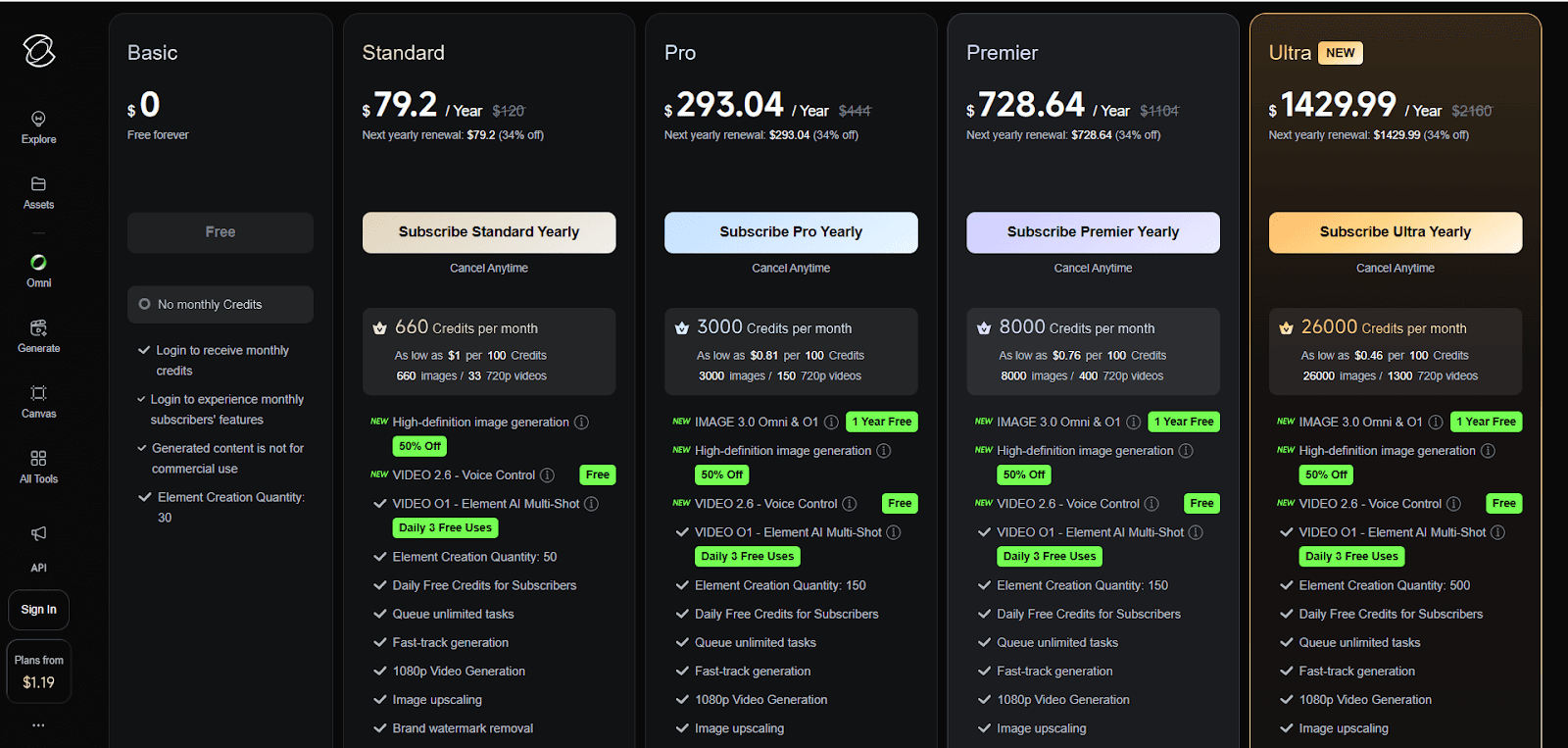
Kling 3.0 has a lower entry subscription at around $6.99 per month. For creators who generate content at high frequency and mostly use short-form 1080p clips, Kling offers better cost per generation.
Seedance 2.0 starts at $19.90 per month on its standard plan, with a generous free tier that includes daily bonus credits for new users. If your workflow involves multimodal reference inputs and longer generation pipelines, the per-output value of Seedance improves at mid-to-high usage tiers.
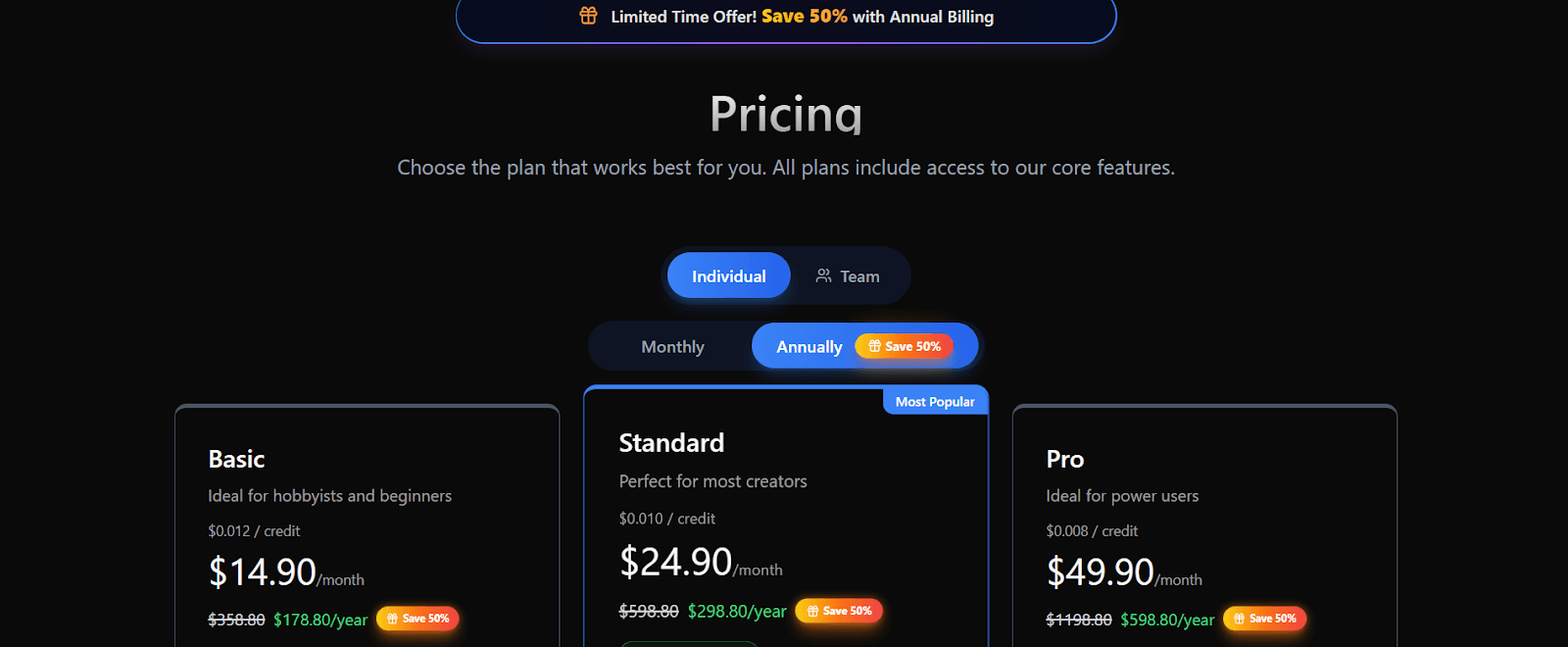
Entry Price | Winner: Kling 3.0 | $6.99/mo vs $19.90/mo; Seedance offers better value at high-volume multimodal tiers |
Prompts to Try Right Now: Kling 3.0
Copy these directly into Atlabs. Each prompt is scoped to a use case where Kling's motion physics and speed give it the clearest advantage.
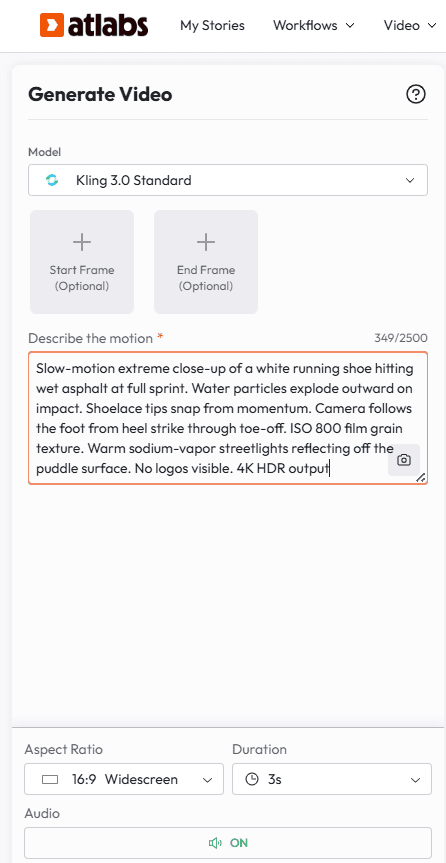
1. The High-Energy Product Launch
Kling 3.0 Prompt: Kinetic Product Ad |
Best for: Sneaker launches, sports supplements, energy drinks, tech accessories |
|
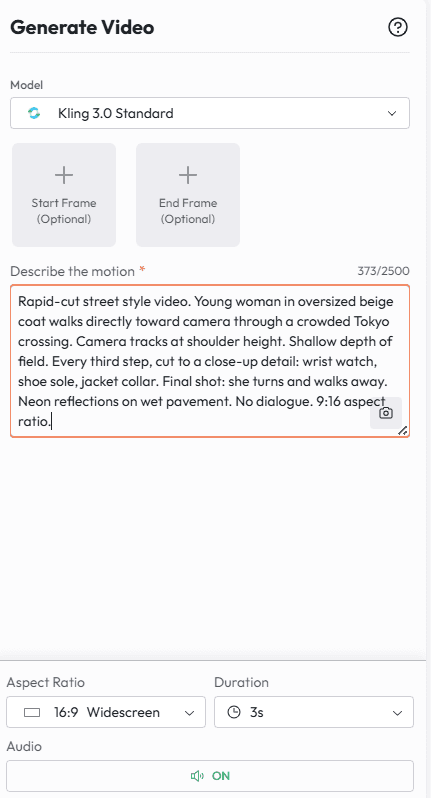
2. The Viral Social Hook
Kling 3.0 Prompt: Scroll-Stopping Social Video |
Best for: Instagram Reels, TikTok content, YouTube Shorts |
|
3. The Action Sports Promo
Kling 3.0 Prompt: Sports / Action Sequence |
Best for: Fitness brands, sports apps, athletic wear campaigns |
|
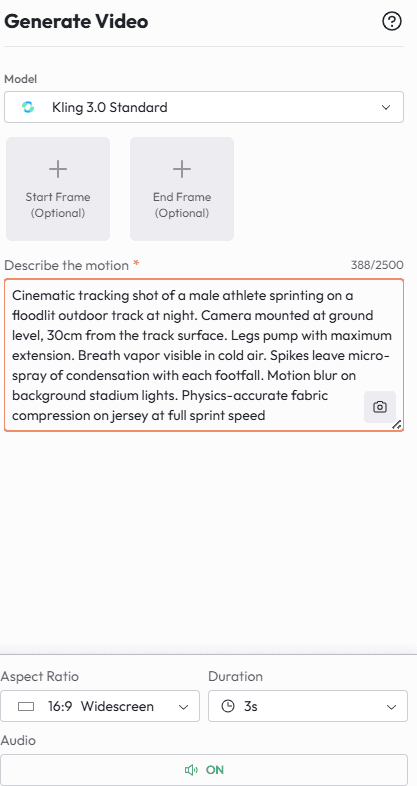
Run These Kling 3.0 Prompts on Atlabs Free
Prompts to Try Right Now: Seedance 2.0
These prompts are built around Seedance's precision controls and reference system. They are for the sessions where a brief needs to be honored, not interpreted.
4. The Brand-Locked Product Video
Seedance 2.0 Prompt: Precision Product Ad |
Best for: E-commerce, DTC brands, beauty, skincare, luxury goods |
|
5. The Music Video Scene
Seedance 2.0 Prompt: Beat-Synced Music Video |
Best for: Music artists, audio-visual creators, live event content |
|
6. The Character-Consistent Narrative
Seedance 2.0 Prompt: Multi-Scene Story with Identity Lock |
Best for: Short film creators, brand storytelling, episodic content |
|
Run These Seedance 2.0 Prompts on Atlabs Free
Where Atlabs Fits In
Both Kling 3.0 and Seedance 2.0 are available inside Atlabs. The reason that matters is not just convenience.
When you generate inside a standalone Kling or Seedance interface, you get the clip. That is where the session ends. You then move to a second tool for voiceover, a third for captions, a fourth for editing, and a fifth for export.
Atlabs is the production layer that sits on top of both models. Generate your Kling or Seedance clip, then add an AI avatar presenter, layer in a voiceover in 40+ languages, apply auto-captions, add music from the royalty-free library, and export your finished video. All inside one workspace.
The workflow that used to take 5 tools now takes one session. Your first video is free.
Generate with Kling 3.0 or Seedance 2.0 inside Atlabs
Add an AI avatar presenter or voiceover on top of the generated footage
Auto-captions, music, and smart reframing in the same workspace
Export in 1080p or 4K, ready for any platform
Open Atlabs and Generate Your First Video Free
Honest Limitations to Know Before You Commit
On Kling 3.0: Prompt sensitivity can be volatile. Small wording changes occasionally cause larger stylistic shifts than expected. For creators used to predictable revision cycles, this can introduce friction during fine-tuning. It is also not the right tool when brand-exact identity fidelity is non-negotiable. If a specific product logo must appear correctly on every frame of a sequence, Kling will struggle where Seedance will not.
On Seedance 2.0: The multimodal reference system is powerful, but it has a learning curve. New users who do not understand how to structure reference inputs will see inconsistent results until they understand the @tag system. Generation time is also longer. For teams running high-frequency daily publishing schedules, the extra minutes per clip add up.
On both: Neither model reliably handles 10-shot complex sequences with branching character arcs at the level of traditional animation software. For feature-length narrative production, these are pre-production and B-roll tools. They are not replacements for a full animation pipeline.
Frequently Asked Questions
Can I use both Kling 3.0 and Seedance 2.0 in the same project?
Yes, and many production teams do. A common workflow is to use Seedance 2.0 for hero shots that require precise brand identity and Kling 3.0 for action-heavy supporting footage. Both outputs come together in editing.
Which model is better for beginners?
Kling 3.0. It responds well to conversational prompts without requiring you to manage reference files. You can describe a scene naturally and get a coherent output faster. Seedance rewards creators who already understand production language and can structure a brief.
Does Atlabs support both models?
Yes. Both Kling 3.0 and Seedance 2.0 are accessible inside Atlabs alongside avatars, voiceover, captions, and export tools. You do not need separate accounts.
Which model is better for product advertising?
Seedance 2.0 for brand-exact product ads where logos, colors, and product geometry must not drift across frames. Kling 3.0 for action-oriented product content where the energy of the motion matters more than precise identity lock.
What is the maximum output resolution for each model?
Kling 3.0 Omni reaches 4K HDR. Standard Kling 3.0 outputs at 1080p. Seedance 2.0 outputs natively at 2K. Most creators generate at 1080p or 2K and upscale for premium deliverables.
Is there a free tier for either model?
Both offer free access. Kling 3.0 provides daily free credits for new users. Seedance 2.0's free tier via Dreamina includes daily bonus credits with 1080p no-watermark output, which is more generous than Kling's free allocation for most users.
Start Generating
You now have the framework to stop wasting credits on the wrong model. Use the quick decision table at the top of this guide, pick your use case, and run the corresponding prompt.
Both Kling 3.0 and Seedance 2.0 are available inside Atlabs. Your first video is free. No credit card required.